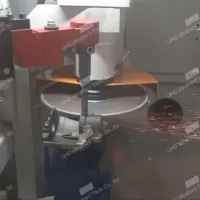
When working across a diverse range of materials—from gray cast iron and ductile iron to stainless steel, cemented carbide, stone, glass, and ceramics—selecting the optimal brazed diamond grinding tool can feel like solving a complex puzzle. Each material’s unique mechanical properties demand a precise match of tool performance to maintain productivity, surface finish quality, and tool longevity. This guide helps you navigate these choices with data-driven insights and practical case studies, allowing you to fine-tune your grinding processes scientifically and efficiently.
Various workpiece materials impose distinct wear and stress patterns on grinding tools. For example:
Brazed diamond tools excel in delivering sharp cutting edges and thermal stability due to direct diamond-to-metal bonding. Here’s how they typically perform:
"Switching to 150mm brazed diamond discs optimized for stainless steel cut our cycle time by over 25%, while extending tool life by nearly two-fold. The stable diamond retention was a game-changer for our production lines." — Production Manager, Precision Mechanics Co.
Selecting the right tool model requires a precision fit with your manufacturing parameters:
Avoid these common errors to maximize your brazed diamond grinding tool performance:
Remember: Durability is the hard truth ('durability is the hard truth'). Investing in tools with proven wear resistance and heat management can reduce your overall grinding costs by up to 30% while keeping throughput high.
| Workpiece Material | Recommended Diamond Grit Size | Brazing Alloy Type | Typical Application Notes |
|---|---|---|---|
| Gray Cast Iron | #100 - #150 (Medium)" | Nickel-based Brazing | Control brittleness, avoid chipping |
| Stainless Steel | #150 - #200 (Fine) | Cobalt-based Brazing | Prevent work-hardening, durable retention |
| Cemented Carbide | #200 - #300 (Ultra-Fine) | Cobalt-based Brazing | Handle extreme hardness, high MRR |
| Stone, Glass, Ceramics | #70 - #120 (Medium Coarse) | Nickel-based Brazing | Smooth finish, avoid microfracture |
Correctly matching brazed diamond grinding tools to your materials and application specifics is not just a technical exercise—it directly impacts your operational efficiency and cost-effectiveness. By understanding material properties, tool performance nuances, and structural considerations, you empower your grinding processes with precision and reliability.
Explore Our Durable Brazed Diamond Grinding Tools & Optimize Your Production Today
 267
|
267
|
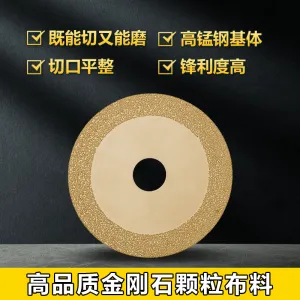
 Brazed diamond grinding discs
Long - lasting wear - resistant abrasives
High - efficiency grinding tools
Precision - manufactured abrasives
Industrial processing grinding discs
Brazed diamond grinding discs
Long - lasting wear - resistant abrasives
High - efficiency grinding tools
Precision - manufactured abrasives
Industrial processing grinding discs
 375
|
Brazed Diamond Grinding 100
Automotive manufacturing grinding application
High - efficiency precision machining
Diamond tool performance
Industrial grinding solutions
379
|
Brazed diamond grinding tools
High-strength grinding
Wear-resistant tools
Efficient metal processing
Grinding tool application cases
375
|
Brazed Diamond Grinding 100
Automotive manufacturing grinding application
High - efficiency precision machining
Diamond tool performance
Industrial grinding solutions
379
|
Brazed diamond grinding tools
High-strength grinding
Wear-resistant tools
Efficient metal processing
Grinding tool application cases
 279
|
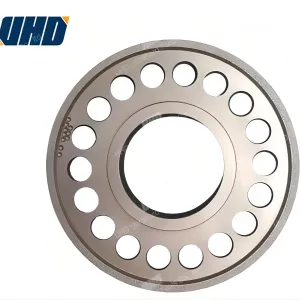
Brazed diamond grinding tools
Wear resistance improvement technology
Application of super - hard material tools
Precision grinding solutions
Industrial machining efficiency optimization
377
|
Brazed diamond grinding tools
Precision ceramic grinding
Diamond grinding disc selection
Industrial grinding solutions
Super - hard material processing
279
|
Brazed diamond grinding tools
Wear resistance improvement technology
Application of super - hard material tools
Precision grinding solutions
Industrial machining efficiency optimization
377
|
Brazed diamond grinding tools
Precision ceramic grinding
Diamond grinding disc selection
Industrial grinding solutions
Super - hard material processing







.png?x-oss-process=image/resize,m_fill,h_300,w_300/format,webp)
.png?x-oss-process=image/resize,m_fill,h_300,w_300/format,webp)