INDUSTRIAL APPLICATION GUIDE
Why This Matters:
Choosing the wrong brazed diamond tool can reduce production efficiency by 30-40%, increase tool replacement costs by 50%, and potentially create safety hazards in precision machining operations.
When working with advanced materials like tungsten carbide (HV3000-5000) and glass-ceramics (Knoop hardness 500-700), your tool selection directly impacts both surface finish quality and operational costs. These materials present unique challenges:
These characteristics demand specialized brazed diamond tools rather than generic abrasives. The wrong tool selection often leads to common issues like rapid diamond grit wear, workpiece chipping, and inconsistent surface finishes.
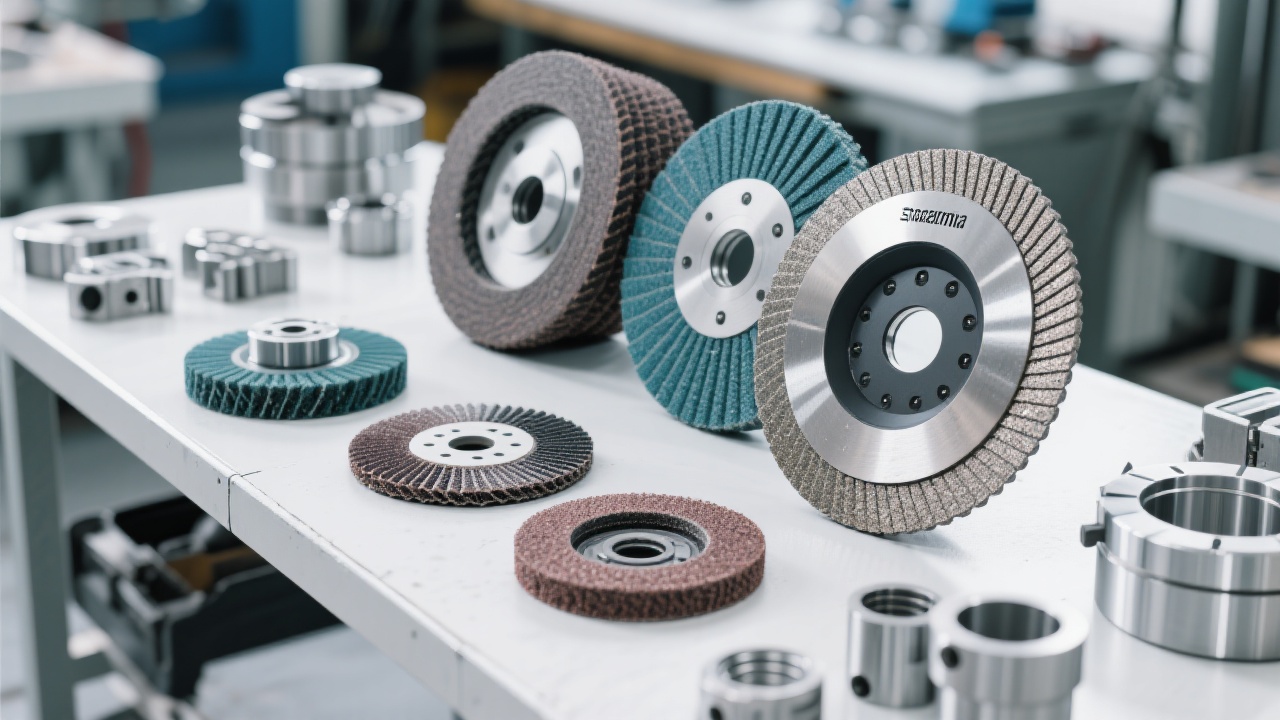
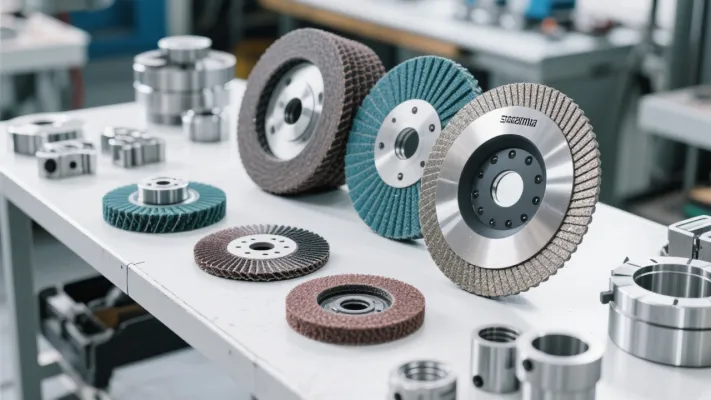
The diameter of your brazed diamond tool directly affects cutting efficiency and surface quality. Based on industry data, the following guidelines apply:
| Diameter Range (mm) | Optimal Application | Recommended RPM Range | Material Thickness Capacity |
|---|---|---|---|
| 100-125 | Precision edge grinding, detailed contour work | 3500-6000 | Up to 15mm |
| 125-150 | General purpose grinding, medium stock removal | 2800-4500 | 15-30mm |
| 150-180 | Heavy stock removal, large surface areas | 1800-3200 | 30-50mm |
Tool shape dramatically impacts your ability to achieve desired geometries while maintaining precision. Flat tools excel at creating planar surfaces with Ra 0.2-0.8μm finishes, while contoured tools provide the necessary clearance for complex 3D shapes.
"After switching to UDE Superhard's contoured diamond tools for our glass-ceramic medical components, we reduced finishing time by 35% and achieved consistent Ra 0.4μm surface finishes across all production runs." — Manufacturing Engineer, Medical Device Components Ltd.
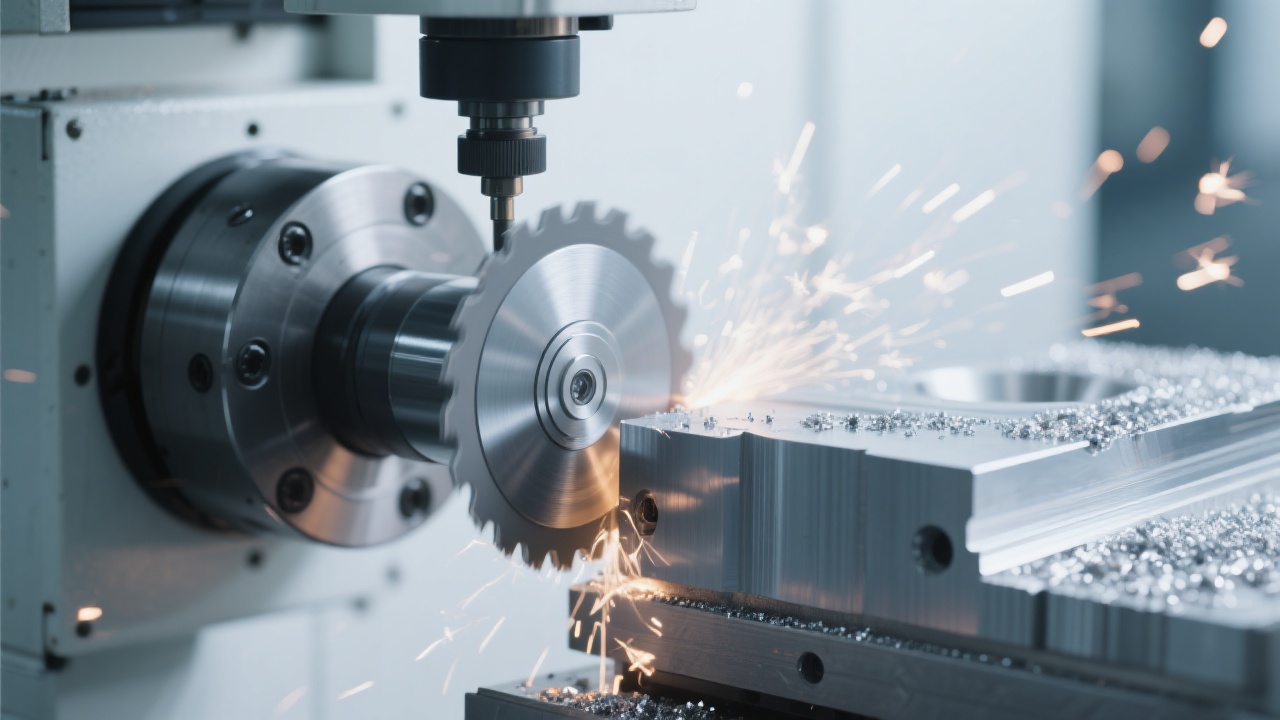
Understanding wear resistance requires examining two critical factors: diamond concentration and bond matrix hardness. Contrary to common belief, higher diamond concentration doesn't always equate to better performance—it must be matched to your specific material and application.
Industry standards define concentration as the number of carats of diamond per cubic centimeter of tool volume. For carbide and glass-ceramic applications:
The bond matrix material must balance wear resistance with self-sharpening characteristics. For carbide machining, a nickel-based bond with Rockwell hardness of 45-55 HRC provides optimal performance, while glass-ceramics benefit from a slightly softer bond (35-45 HRC) to prevent workpiece damage.
Before installing any brazed diamond tool, implement these quick inspection steps to prevent costly mistakes:
Rapid Grit Wear
Usually caused by bond matrix too soft for material being machined. Solution: Increase bond hardness by 10-15 HRC.
Workpiece Chipping
Indicates excessive cutting pressure or diamond concentration too high. Reduce feed rate by 20% or lower concentration.
Uneven Wear Pattern
Typically due to misalignment or improper balance. Check spindle runout and tool mounting accuracy.
Bond Cracking
Caused by thermal shock or overloading. Verify coolant flow and reduce cutting forces by 15-20%.
At UDE Superhard, we've spent over 15 years perfecting brazed diamond tools specifically for challenging materials like carbides and glass-ceramics. Our tools deliver measurable benefits:
Our team of application engineers will analyze your specific machining challenges and recommend the optimal brazed diamond tool solution for your carbide or glass-ceramic applications.
Get Your Custom Tool RecommendationRemember that successful machining of hard materials isn't just about having the right tool—it's about having the right tool for your specific application. By carefully matching tool parameters to material characteristics and operational requirements, you can achieve significant improvements in both productivity and product quality.

 404
|
404
|
 brazed diamond grinding discs
super - hard abrasives
diamond grinding wheels
stone processing tools
safe grinding solutions
brazed diamond grinding discs
super - hard abrasives
diamond grinding wheels
stone processing tools
safe grinding solutions
 420
|
Grinding tool wear resistance
Brazed diamond tools
Superhard material processing
Industrial manufacturing tool upgrade
Precision grinding solutions
39
|
brazed diamond grinding wheel
precision grinding safety
diamond grinding disc
wear-resistant grinding tools
industrial grinding solutions
185
|
brazed diamond grinding wheel
machining efficiency improvement
diamond abrasive tools
high hardness grinding
grinding safety technology
51
|
brazed diamond grinding wheels
bowl-shaped cast iron grinding tools
industrial machining efficiency
hard alloy grinding tools
grinding wheel safety
420
|
Grinding tool wear resistance
Brazed diamond tools
Superhard material processing
Industrial manufacturing tool upgrade
Precision grinding solutions
39
|
brazed diamond grinding wheel
precision grinding safety
diamond grinding disc
wear-resistant grinding tools
industrial grinding solutions
185
|
brazed diamond grinding wheel
machining efficiency improvement
diamond abrasive tools
high hardness grinding
grinding safety technology
51
|
brazed diamond grinding wheels
bowl-shaped cast iron grinding tools
industrial machining efficiency
hard alloy grinding tools
grinding wheel safety








.png?x-oss-process=image/resize,m_fill,h_300,w_300/format,webp)