
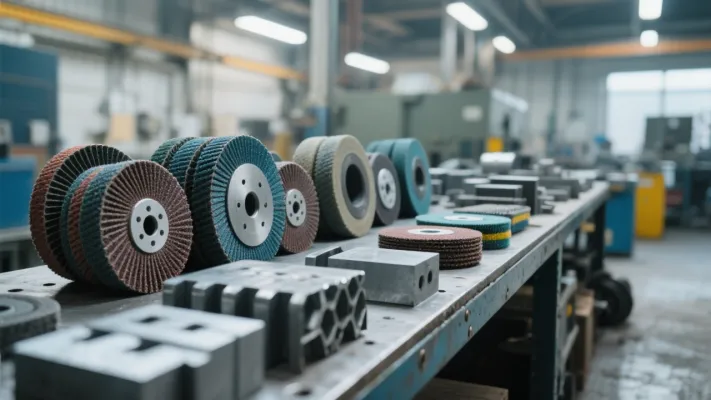
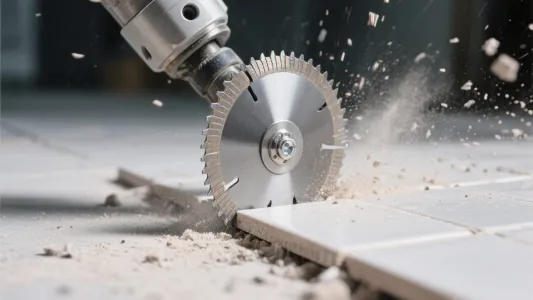
As an engineer or technician, you're constantly on the lookout for tools that can enhance your work efficiency and quality. Brazed diamond abrasives are a game - changer in the world of material processing. Let's first understand how brazing technology enables the firm bonding of diamond particles to the substrate.
Compared with traditional welding methods, brazed diamond abrasives offer significant advantages. Traditional welding techniques may provide a bond strength of about 30 - 50MPa, while brazing can achieve a bond strength of over 100MPa. This means a much longer service life for the abrasive tools. For instance, traditional welded abrasives may need replacement after 50 - 100 hours of use, while brazed diamond abrasives can last up to 300 - 500 hours, depending on the working conditions.
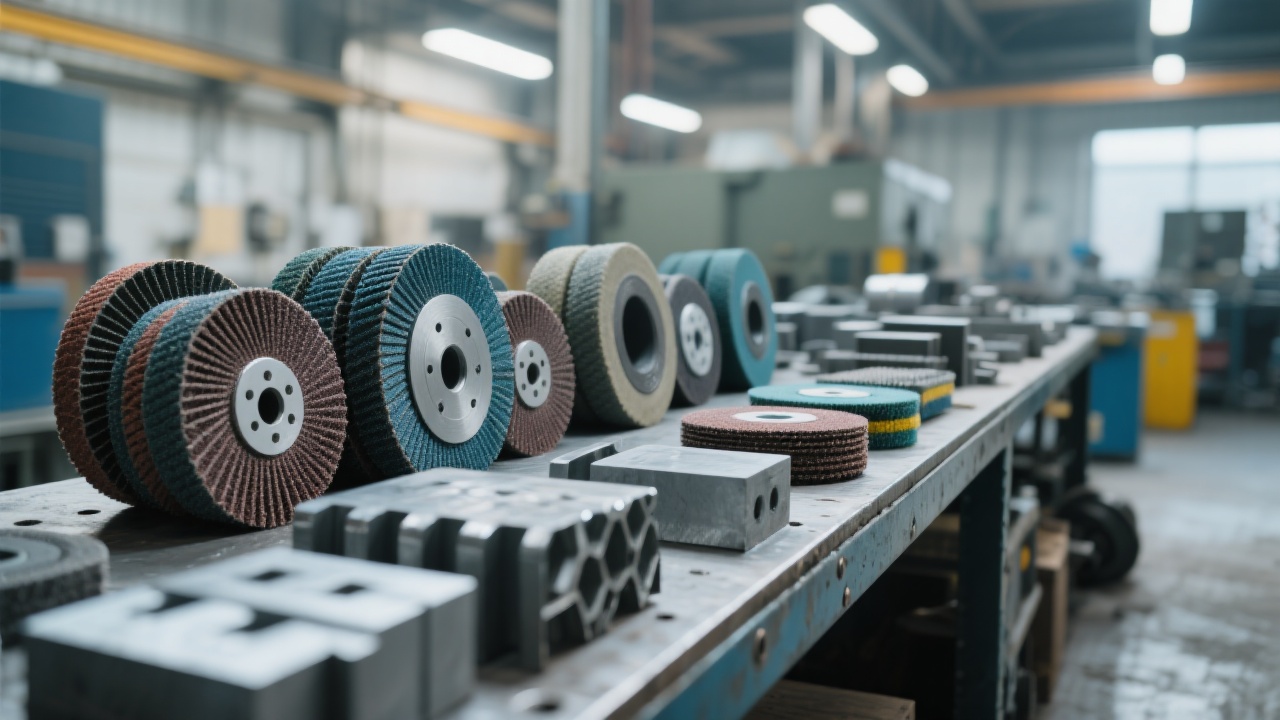
When working with different workpiece materials such as gray iron, stainless steel, and ceramics, the performance requirements of the abrasives vary greatly. For gray iron, which has relatively low hardness but high brittleness, you need abrasives with good self - sharpening ability. A grit size of 60 - 80 is often suitable, and a grinding pressure of about 0.5 - 1MPa can ensure efficient material removal.
Stainless steel, on the other hand, is a tough material with high ductility. Abrasives with high heat resistance and sharp cutting edges are essential. A finer grit size of 80 - 120 and a lower grinding pressure of 0.3 - 0.5MPa can prevent over - heating and ensure a smooth surface finish.
Ceramics are extremely hard and brittle. For ceramic processing, you should choose abrasives with high hardness and excellent impact resistance. A very fine grit size of 120 - 200 and a gentle grinding pressure of 0.1 - 0.3MPa are recommended to avoid crack formation.
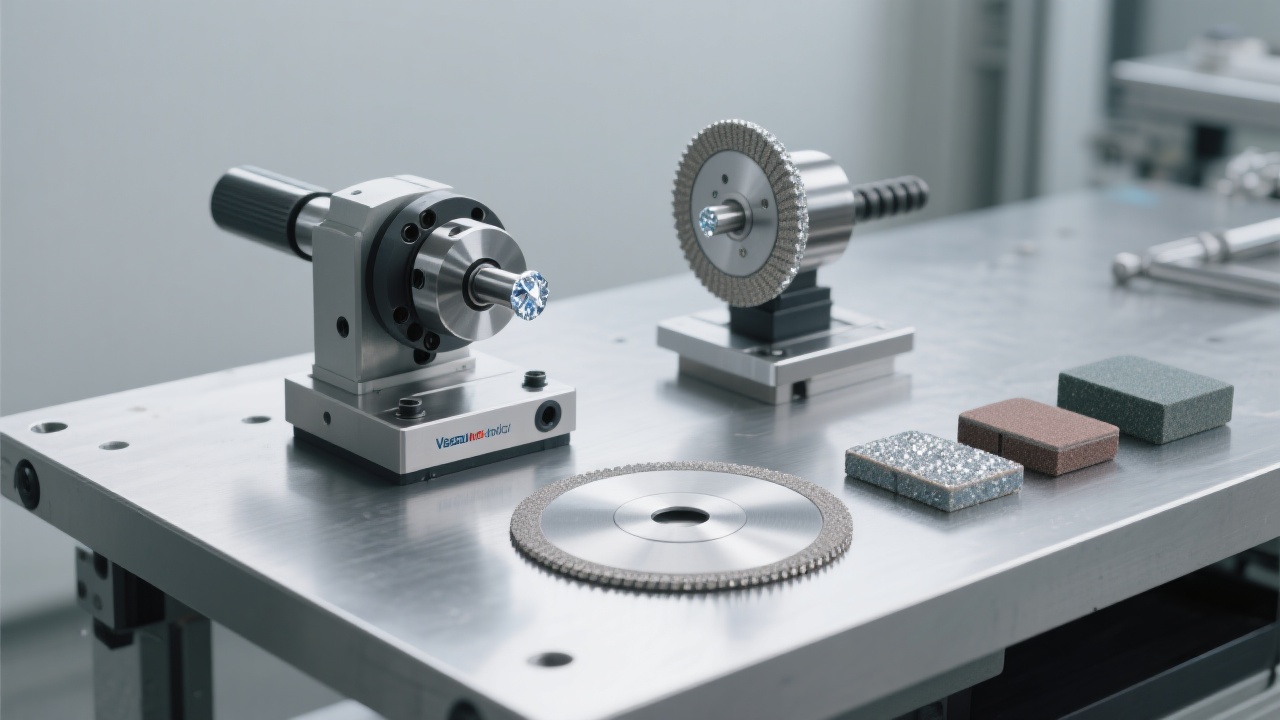
In plane grinding, the key is to ensure a uniform grinding force distribution. You should keep the feed rate at a constant speed of about 10 - 20mm/min and adjust the spindle speed according to the material and grinding requirements. When it comes to surface finish, a surface roughness of Ra 0.8 - 1.6μm can be achieved with proper operation.
For curved surface grinding, the abrasive should follow the curvature precisely. Use a small - diameter abrasive wheel and a slow feed rate of 5 - 10mm/min to ensure accurate profiling. Wear judgment is also crucial. When the abrasive wear reaches 20% - 30% of its original thickness, it's time for replacement or dressing. Regular maintenance, such as cleaning the abrasive surface and checking the bonding strength, can significantly extend the tool's service life.
We've gathered feedback from front - line engineers and identified some common mistakes. One of the most frequent issues is improper abrasive selection. Using the wrong abrasive for a specific material can lead to low efficiency, poor surface quality, and even tool failure. Another common problem is excessive grinding pressure, which can cause heat build - up, premature wear, and workpiece damage.
Our 'Pitfall Prevention Guide' offers specific solutions. For example, always conduct a material analysis before abrasive selection and strictly follow the recommended grinding parameters. You can also refer to the technical manuals provided by the manufacturers for more detailed guidance.
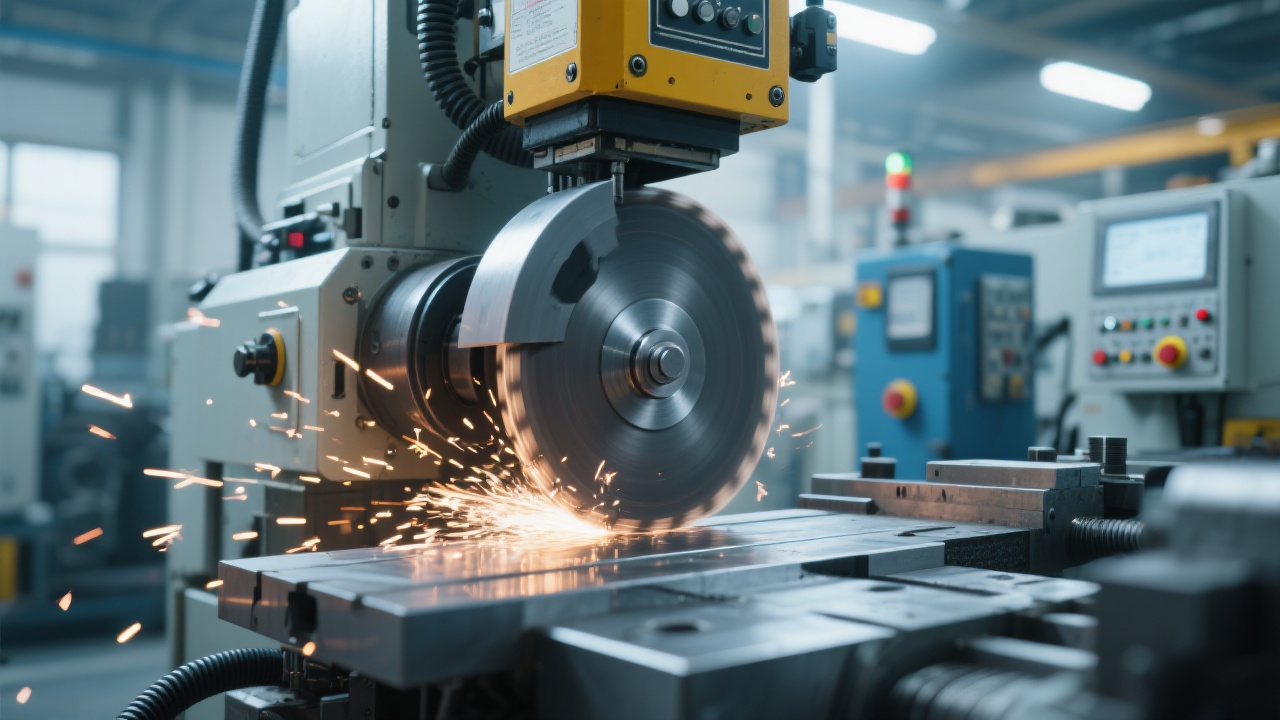
In the era of smart manufacturing and green manufacturing, using brazed diamond abrasives scientifically can greatly improve overall production efficiency and sustainability. By optimizing grinding parameters, you can reduce energy consumption by up to 20% - 30%. Moreover, the longer service life of brazed diamond abrasives means less waste generation, contributing to a more environmentally friendly production process.
You've learned so much about brazed diamond abrasives. Now, you might be thinking about which product to choose. Choose Youde Brazed Diamond Abrasives, and make every grinding operation more stable, faster, and more durable. Click here to explore Youde's brazed diamond abrasives.
Engage with us! What kind of abrasive failure scenarios have you encountered? Let's discuss in the comments section!
 430
|
430
|
 brazed diamond grinding wheels
diamond grinding discs
precision grinding tools
industrial grinding solutions
hard material machining
brazed diamond grinding wheels
diamond grinding discs
precision grinding tools
industrial grinding solutions
hard material machining
 69
|
brazed diamond grinding tools
industrial grinding efficiency
diamond abrasive tools
hard material machining
wear-resistant cutting tools
39
|
brazed diamond grinding wheel
precision grinding safety
diamond grinding disc
wear-resistant grinding tools
industrial grinding solutions
388
|
Brazed diamond tools
Super - hard tools
Industrial grinding solutions
Yode diamond grinding discs
High - efficiency grinding tools
69
|
brazed diamond grinding tools
industrial grinding efficiency
diamond abrasive tools
hard material machining
wear-resistant cutting tools
39
|
brazed diamond grinding wheel
precision grinding safety
diamond grinding disc
wear-resistant grinding tools
industrial grinding solutions
388
|
Brazed diamond tools
Super - hard tools
Industrial grinding solutions
Yode diamond grinding discs
High - efficiency grinding tools
 207
|
brazed diamond grinding wheels
high-precision machining
grinding wheel wear resistance
manufacturing innovation tour
industrial manufacturing trends
207
|
brazed diamond grinding wheels
high-precision machining
grinding wheel wear resistance
manufacturing innovation tour
industrial manufacturing trends







.png?x-oss-process=image/resize,m_fill,h_300,w_300/format,webp)


.png?x-oss-process=image/resize,m_fill,h_300,w_300/format,webp)


