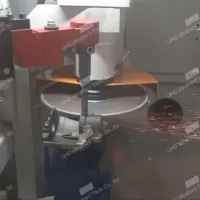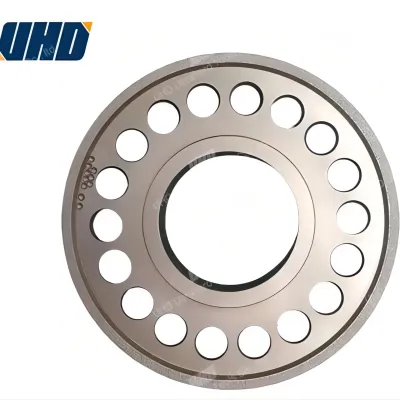
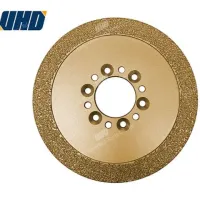
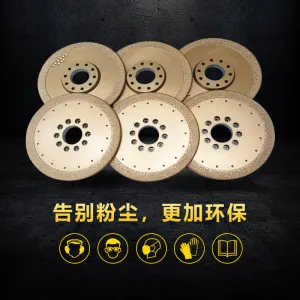
The realm of high-strength material machining constantly seeks breakthroughs to improve efficiency, durability, and precision. Henan Youde Superhard Tools Company has recently pioneered the brazed diamond grinding 100 technology, revolutionizing grinding processes for notoriously difficult materials such as gray cast iron, stainless steel, and ceramics. This technology ushers a new era of superior grinding performance relying on advanced high-temperature brazing and optimized substrate structures, delivering unprecedented stability and wear resistance.
Traditional grinding tools face critical limitations when handling ultra-hard materials. Issues like rapid abrasive wear, inconsistent cutting depths, and premature tool failure reduce machining efficiency and increase downtime. Henan Youde’s innovation targets these challenges by adopting a high-temperature brazing process that secures diamond particles with enhanced metallurgical bonding strength. This approach significantly improves tool life, achieving up to 50% longer wear resistance compared to conventional sintered or resin-bonded grinding wheels.

Rigorous testing against traditional grinding disks reveals measurable improvements:
| Metric | Conventional Grinding Disk | Brazed Diamond Grinding 100 | Improvement |
|---|---|---|---|
| Grinding Efficiency (Material Removal Rate) | 100% | 130% | +30% |
| Tool Wear Life | Baseline | 1.5× Baseline | +50% |
| Surface Finish Quality (Ra μm) | 1.8 | 1.2 | Improved |
The brazed diamond grinding 100 technology excels in multiple challenging environments:
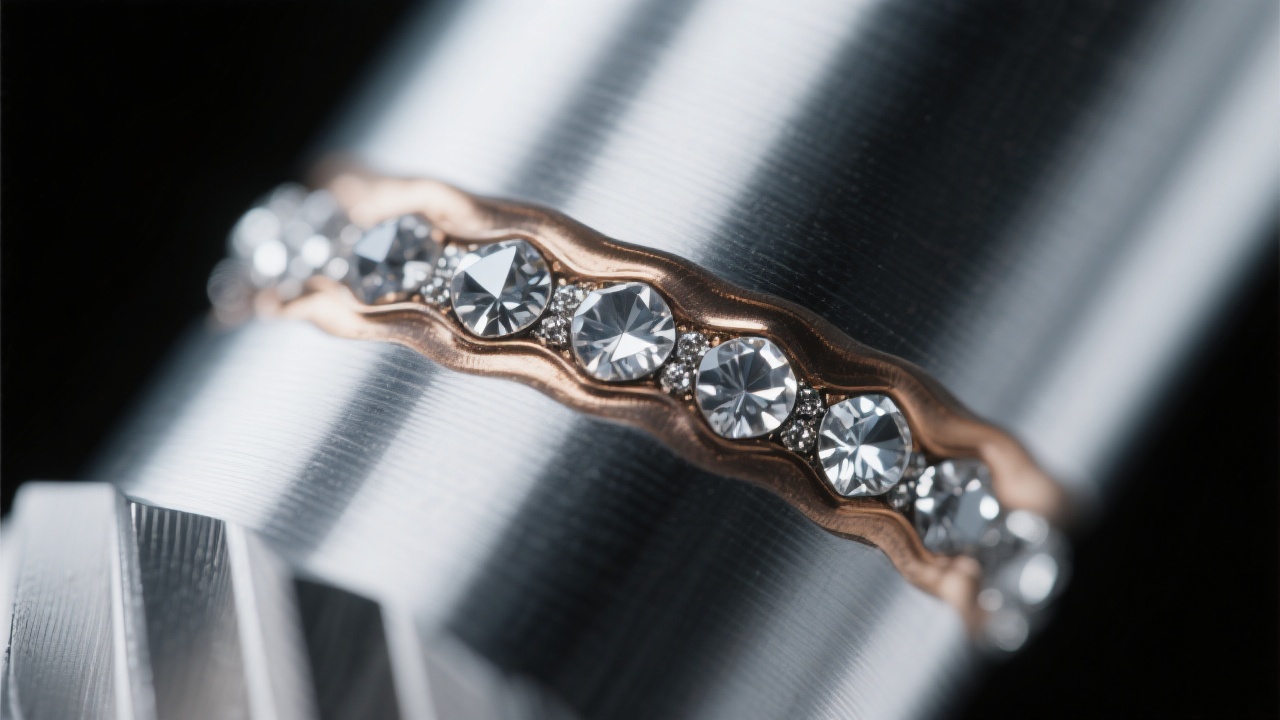
By extending tool life and elevating grinding speeds, manufacturers can expect significant cost savings and enhanced throughput. For example, a production line integrating brazed diamond grinding 100 discs reportedly slashed tool replacement frequency by nearly half, reducing operational downtime.
In short, this innovation makes every cut more reliable and economical—“Let every grind cut with peace of mind.”
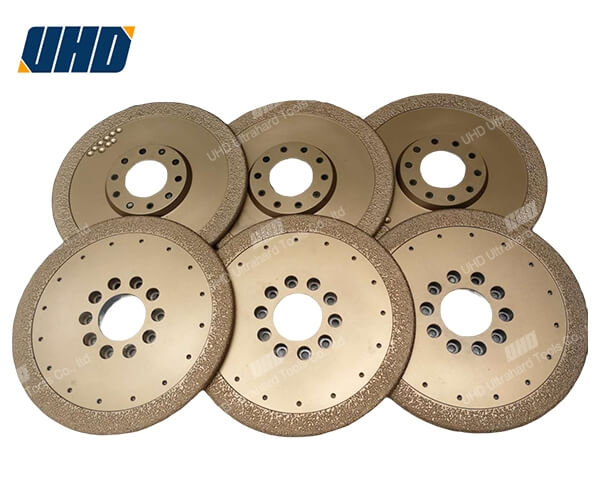
The future potential of brazed diamond grinding technology lies in its integration with Industry 4.0. Sensors embedded within tools could monitor real-time wear and performance metrics, enabling predictive maintenance and dynamic process adjustments. Such smart grinding solutions promise to further streamline manufacturing workflows and sustain cutting-edge competitiveness.

 422
|
422
|
 Brazed Diamond Grinding Tool 100
Diamond grinding tool usage tutorial
Grinding tool maintenance guide
Industrial grinding efficiency improvement
Super - hard material processing techniques
377
|
Brazed diamond grinding discs
Hard material processing
Bowl - type brazed grinding tools
Durable diamond grinding discs
Super - hard diamond grinding discs
Brazed Diamond Grinding Tool 100
Diamond grinding tool usage tutorial
Grinding tool maintenance guide
Industrial grinding efficiency improvement
Super - hard material processing techniques
377
|
Brazed diamond grinding discs
Hard material processing
Bowl - type brazed grinding tools
Durable diamond grinding discs
Super - hard diamond grinding discs
 291
|
brazed diamond grinding bowl wheel
precision measurement techniques
quality inspection methods
ISO 9001 implementation
industrial grinding tools
366
|
brazed diamond grinding disc
diamond grinding tool
wear-resistant grinding wheel
hard material machining
industrial grinding solution
280
|
brazed diamond grinding wheels
precision grinding solutions
diamond grinding tools
long-life abrasive discs
industrial grinding efficiency
291
|
brazed diamond grinding bowl wheel
precision measurement techniques
quality inspection methods
ISO 9001 implementation
industrial grinding tools
366
|
brazed diamond grinding disc
diamond grinding tool
wear-resistant grinding wheel
hard material machining
industrial grinding solution
280
|
brazed diamond grinding wheels
precision grinding solutions
diamond grinding tools
long-life abrasive discs
industrial grinding efficiency








.png?x-oss-process=image/resize,m_fill,h_300,w_300/format,webp)