Brazed Diamond Grinding 100: Technical Principles Behind Longer Tool Life and High-Durability Grinding
Brazed Diamond Grinding 100 stands out in demanding grinding environments by delivering consistently longer tool life and stable performance under high load. This article explains how high-performance brazing technology improves diamond retention, heat resistance, and structural strength, helping the tool maintain sharp cutting action and wear stability over extended cycles. It also reviews application performance across common workpieces such as gray cast iron, stainless steel, and ceramics, linking real-world outcomes to underlying wear mechanisms and bond integrity. With an expert, industry-focused perspective and data-oriented guidance, the content clarifies how specification and model selection can influence efficiency, surface finish, and durability—supporting professional purchasing decisions with a clear “durability-first” value proposition.
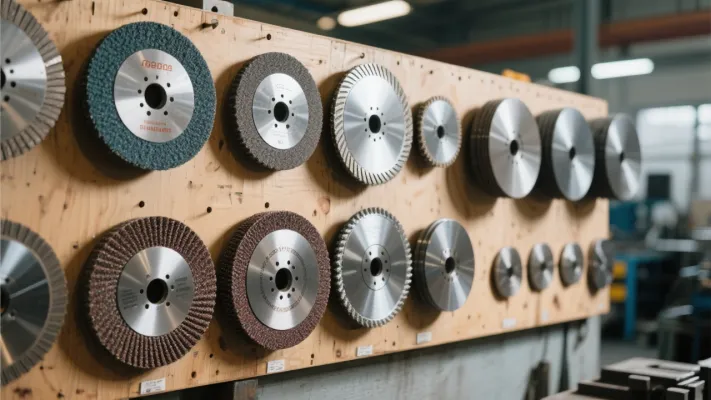
Brazed Diamond Grinding 100: What Really Extends Tool Life in High-Load Grinding?
In professional grinding, “durability” is not a slogan—it is a measurable outcome of bonding strength, heat behavior, diamond exposure, and chip evacuation. Brazed Diamond Grinding 100 has earned attention in workshops and production lines because it keeps cutting when conventional resin-bond tools glaze, and when electroplated tools lose bite after the first aggressive runs.
This article breaks down how high-performance brazing technology increases structural integrity and wear resistance, and why users report steadier results when grinding gray cast iron, stainless steel, ceramics, and other difficult materials—especially under sustained pressure and heat.
Why Tool Life Fails First: The Three “Silent Killers” of Grinding Tools
Most grinding tools don’t die in one dramatic moment—they fade. Cutting rate drops, heat rises, vibration increases, and operators compensate by pushing harder, accelerating failure. In field conditions, tool life most commonly collapses due to three mechanisms:
1) Diamond pull-out (bond weakness)
When the bond cannot withstand grinding forces and thermal cycling, diamonds detach early. You may see a sudden drop in aggressiveness even though the tool still “looks” intact.
2) Glazing and loading (chip packing)
Swarf fills spaces between abrasive points, reducing chip evacuation. The surface becomes shiny, friction spikes, and heat damage appears on both tool and workpiece.
3) Thermal degradation (heat-driven wear)
High interface temperature changes wear behavior and can weaken certain bonds. The result is accelerated abrasion loss and unstable surface finish.
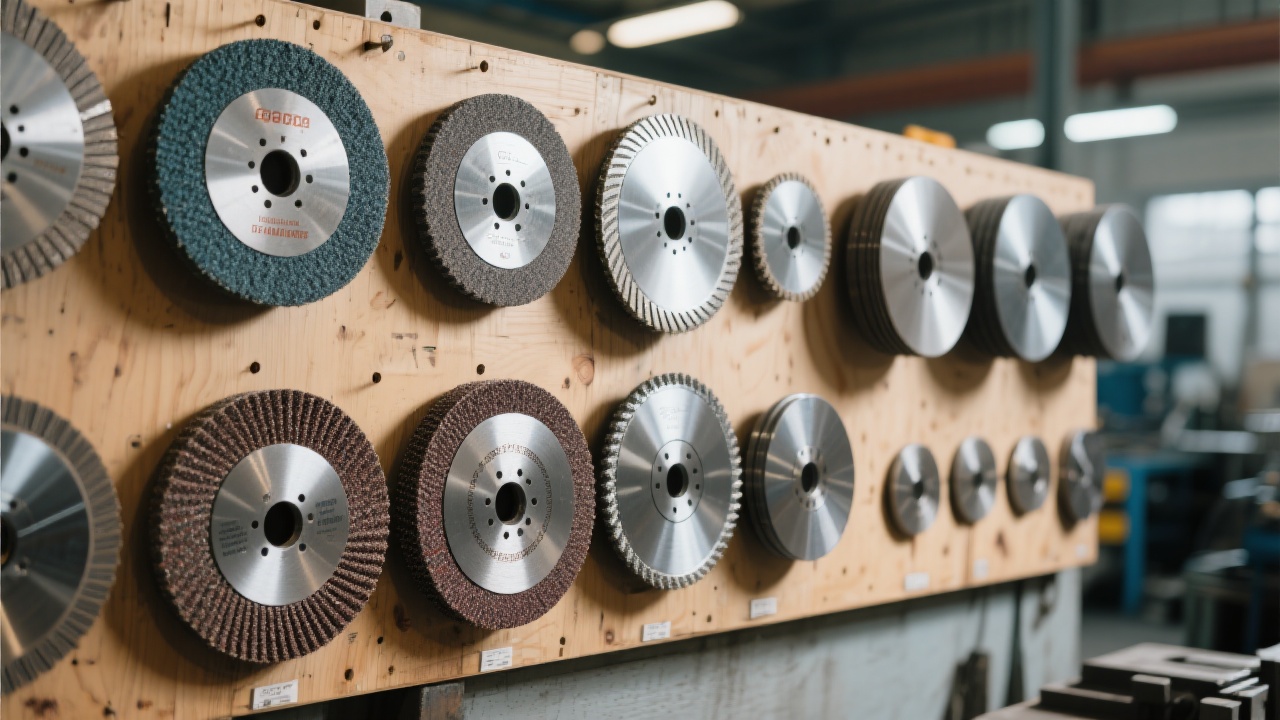
The Core Advantage: What High-Performance Brazing Changes at the Micro-Structure Level
Brazed diamond tools rely on a metallurgical bond rather than a purely mechanical or thin electroplated hold. In practice, brazing increases diamond retention and creates a more stable cutting geometry under high torque and intermittent impact.
A practical benchmark (industry reference data)
Under comparable load on abrasive materials, production users commonly observe brazed diamond tools delivering roughly 1.8× to 3.5× the service life of resin-bond alternatives, while maintaining a more consistent material removal rate (MRR). In controlled shop tests, diamond retention can remain above 85% after extended cycles where lower-strength bonds may drop below 60% sooner.
Brazing + Turning Base Integration: Why the “Body” Matters as Much as the Abrasive
A grinding tool is a system. Even with high-grade diamond, a weak base or poorly balanced structure introduces micro-vibration, uneven contact pressure, and localized overheating. Brazed Diamond Grinding 100 is typically engineered with a robust, precision-turned base that supports:
- Higher structural stiffness to reduce chatter and edge chipping
- Stable diamond exposure for predictable cutting action
- Improved heat path that helps control thermal spikes during aggressive passes
The outcome is not only longer life but also repeatable performance—the kind buyers care about when they are responsible for line stability, scrap rates, and downstream finishing costs.
Performance Across Materials: Gray Iron, Stainless Steel, Ceramics (and Why Results Differ)
“One tool for every material” is rarely realistic. What matters is whether the tool’s bonding and cutting mechanics remain stable when the workpiece changes. Brazed Diamond Grinding 100 is often selected for multi-material environments because it holds cutting points firmly and resists loading—two traits that help maintain efficiency across tough applications.
Application snapshot: what users typically see
| Material |
Common challenge |
What brazed diamond helps with |
| Gray cast iron |
Abrasive structure, dust/swarf |
Stable cutting points; reduced glazing under high contact |
| Stainless steel |
Heat buildup, smearing/loading |
Improved chip evacuation; less tendency to polish over |
| Ceramics |
Brittle fracture, edge chipping |
Firm retention reduces sudden diamond loss; steadier cut behavior |
Note: Actual results vary with RPM, feed pressure, coolant strategy, and operator technique. The table reflects typical observations in industrial settings rather than a fixed guarantee.
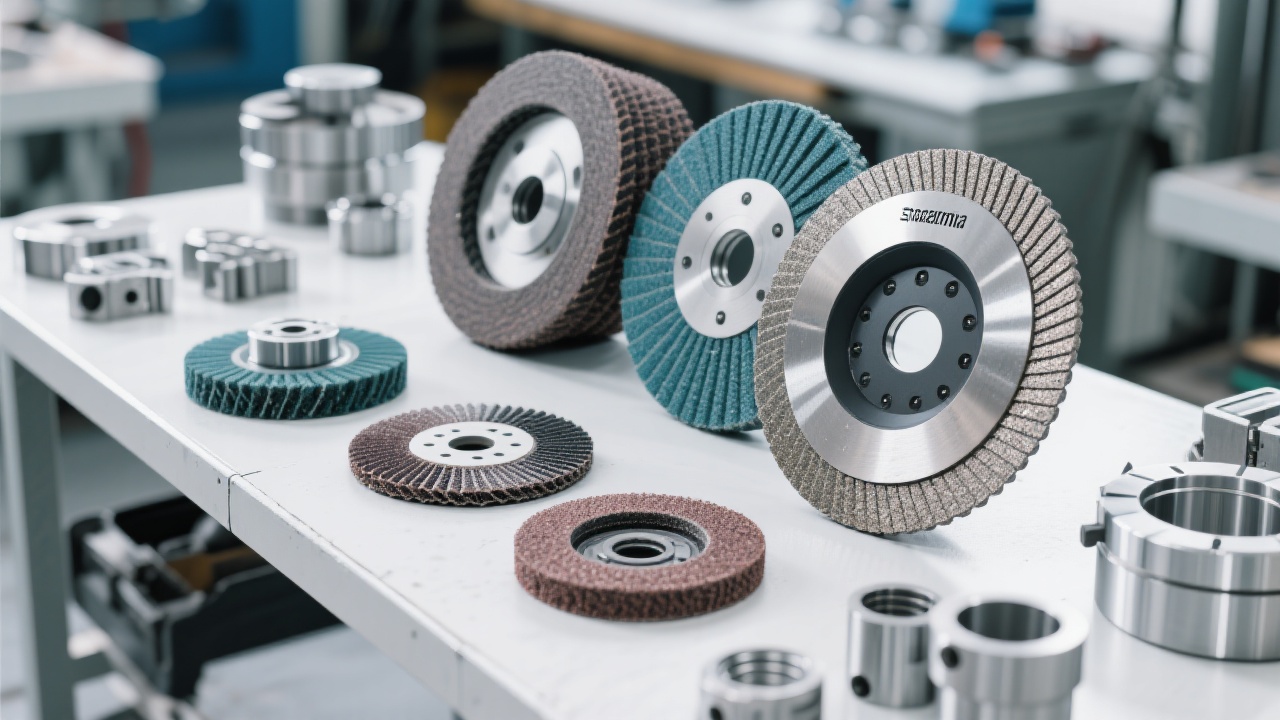
Expert Lens: The Durability Principle Most Buyers Miss
Experienced process engineers often evaluate durability using a simple principle: “Does the tool keep its cutting geometry under real heat and force?” If the answer is yes, then efficiency stays stable and tool changes become predictable.
Industry expert perspective (quoted for technical interpretation)
In high-load grinding, durability is not just “how long it lasts,” but how long it holds an effective cutting profile. A stronger metallurgical bond delays diamond pull-out, and that directly stabilizes removal rate and temperature behavior.
— Process Engineering Consultant, metal & ceramics grinding (summary of common technical evaluation criteria)
What real users tend to report (practical feedback patterns)
Across workshops and production settings, feedback around Brazed Diamond Grinding 100 tends to cluster around measurable operational wins:
- Fewer tool changes per shift, improving line continuity
- More stable finish over longer runs (less “drop-off” late in tool life)
- Lower operator correction (less need to increase pressure as the tool ages)
- Better predictability for maintenance planning and batch consistency
Choosing the Right Spec: How Model & Size Influence Durability and Speed
Spec selection is where many buyers accidentally “lose” the durability they paid for. The best brazed diamond tool still needs a spec that matches the workpiece hardness, contact area, and machine behavior.
Grit selection (rule-of-thumb)
Coarser grits often deliver higher initial removal and improved chip space; finer grits can improve finish but may increase loading risk on “sticky” metals. Many industrial users see the best balance by matching grit to the desired Ra and allowable heat, not only to “cut fast.”
Tool geometry & contact width
Wider contact increases heat and torque demand. If your process uses heavy face contact, selecting a geometry designed to evacuate swarf can improve life more than simply increasing pressure or RPM.
Speed & pressure: the durability “sweet spot”
Many lines run best when adjusted for a stable chip formation zone. As a reference range, production operators often validate settings where temperature rise remains controlled and MRR stays steady—commonly targeting 15–30% less peak heat compared with an overloaded setup that “burns” the tool early.
For procurement teams, the key is to buy durability that converts into lower cost per part and more predictable throughput, rather than simply counting the number of pieces before replacement.
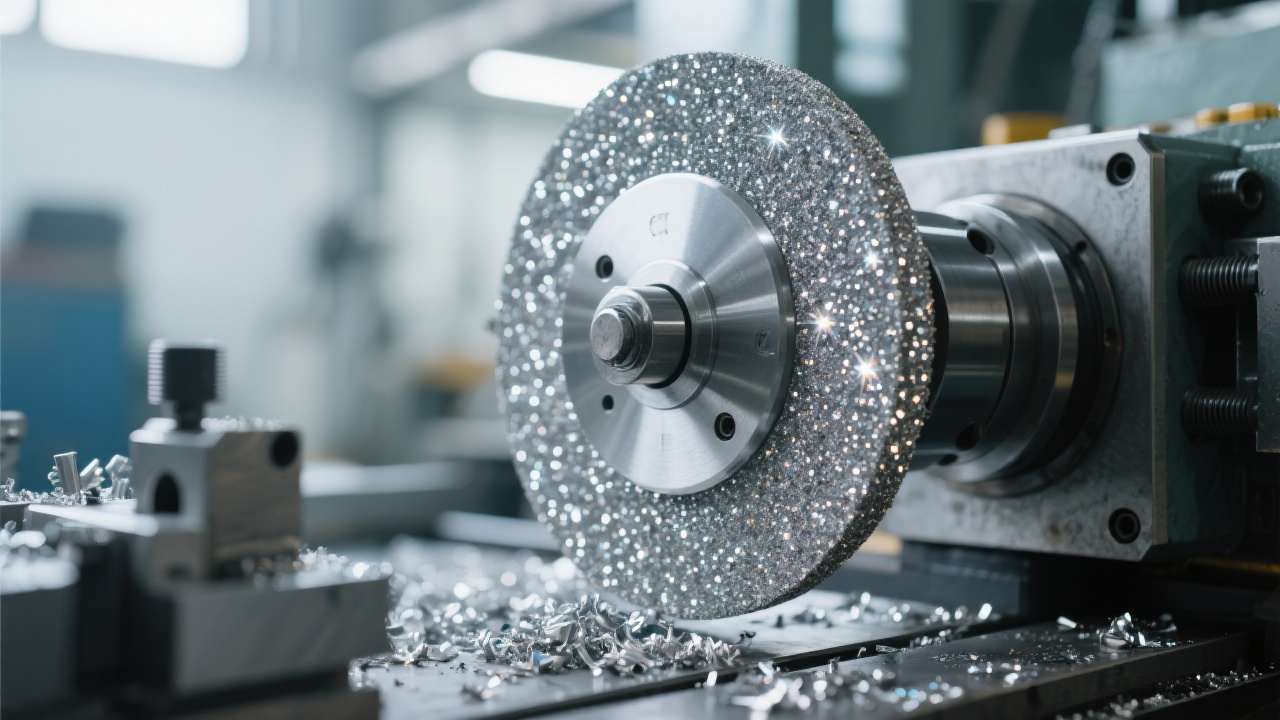
Durability Is a Business Decision: What “Long-Term Value” Looks Like
In high-volume grinding, durability directly impacts three operational KPIs: downtime, quality stability, and labor efficiency. When a tool keeps its cutting profile, teams typically experience:
Value-impact checklist (common measurable outcomes)
| Metric |
What improves |
Typical reference change* |
| Tool changes |
Less stoppage, smoother shifts |
Down by 25–50% |
| Throughput stability |
Less “late-life” performance drop |
MRR variation reduced by 10–20% |
| Rework risk |
More consistent finish & geometry |
Scrap/rework incidents down by 5–15% |
*Reference ranges are compiled from common industrial observations and benchmarking logic; they should be validated under your machine parameters and material batch.
This is where “durable is the hard truth” becomes a competitive edge: fewer disruptions, more predictable output, and a tool choice that supports scale rather than constant firefighting.
Ready to Validate Longer Tool Life in Your Process?
Share your material, machine type, and target finish—get a spec recommendation aligned with real grinding conditions (not guesswork). If your priority is stable performance under high load, Brazed Diamond Grinding 100 is built for exactly that.
Request a Technical Recommendation for Brazed Diamond Grinding 100
Typical evaluation includes material type (e.g., gray iron / stainless / ceramic), contact area, RPM range, and expected cycle time.


.png?x-oss-process=image/resize,m_fill,h_300,w_300/format,webp)