
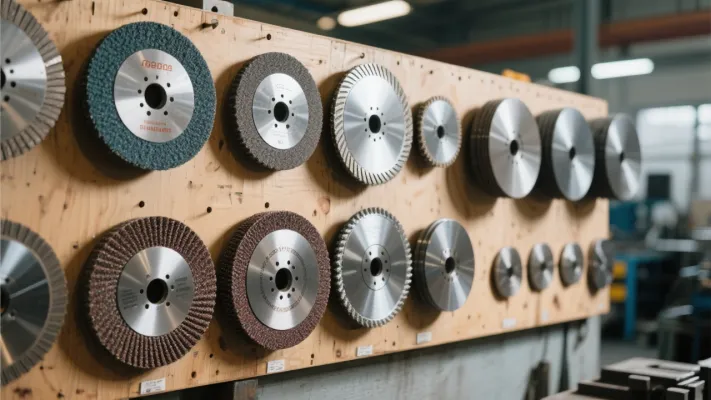
In the demanding world of industrial machining, tool longevity directly impacts operational efficiency and cost-effectiveness. Brazed diamond grinding tools stand out as an industry benchmark for durability, redefining standards for grinding speed, precision, and lifespan.
Traditional grinding wheels, especially electroplated variants, often fall short under tough machining scenarios. Frequent wear leads to premature tool changes, causing downtime and elevated operating expenses. In materials like gray cast iron, stainless steel, and ceramics, the challenge magnifies as conventional abrasives fail to sustain consistent performance, resulting in inefficiencies and compromised surface finishes.
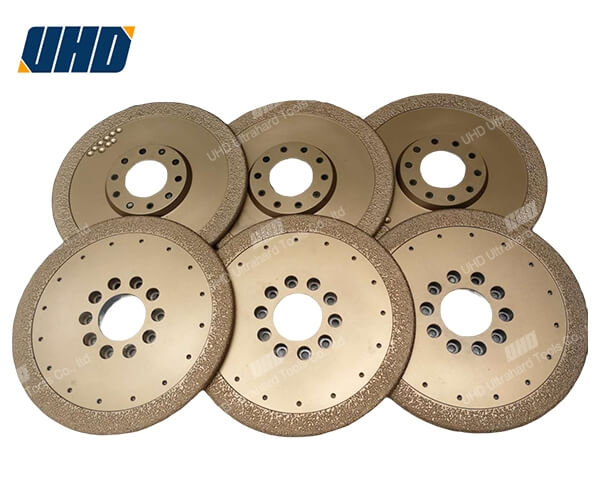
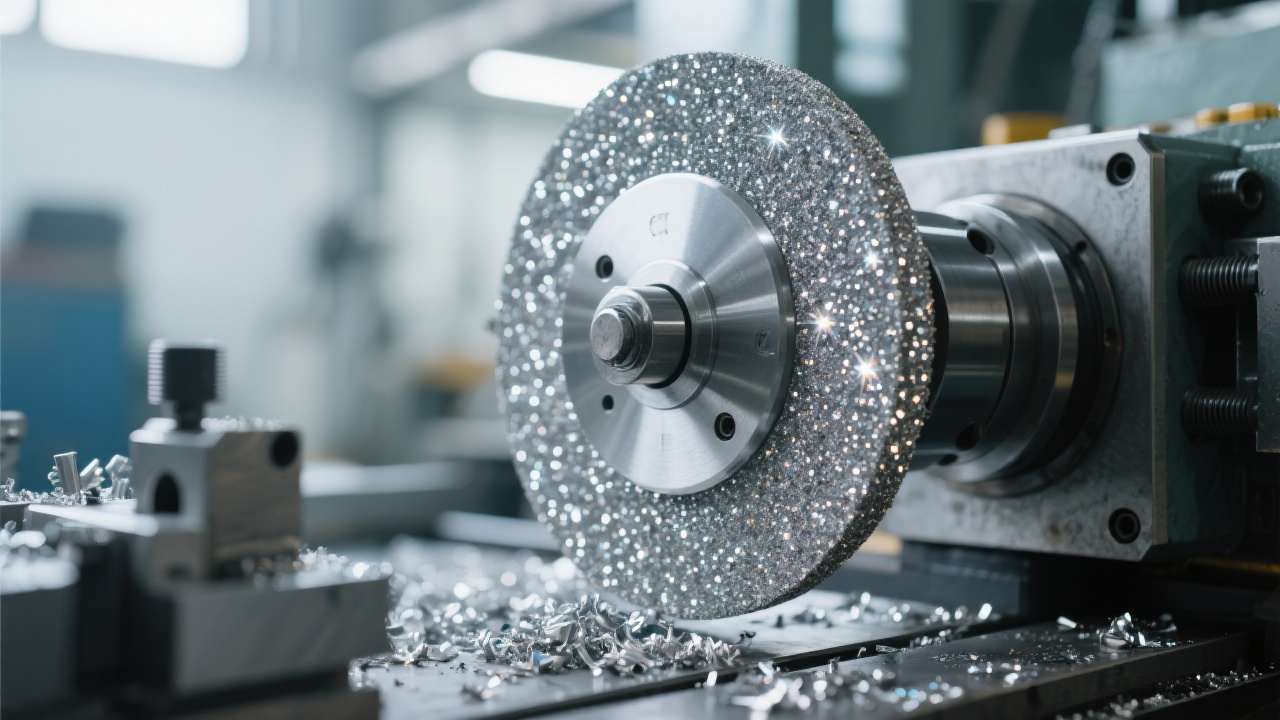
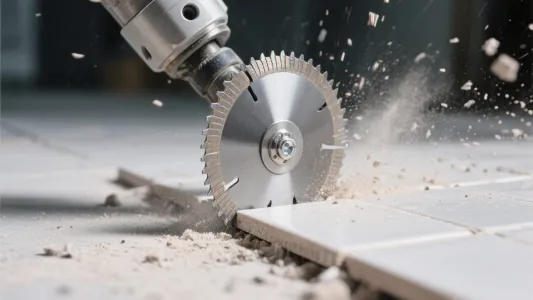
At the heart of brazed diamond grinding tools lies a sophisticated high-strength brazing process, securely attaching synthetic diamond particles to a precisely designed turned base matrix. This unique structure provides:
This combination allows the tool to maintain sharpness and dimensional stability longer, directly translating to improved processing throughput.
Independent field tests reveal remarkable durability improvements. For example, in grinding gray cast iron components:
Table 1: Tool Life and Productivity Comparison (Sample Data)
| Tool Type | Average Lifespan (hours) | Grinding Efficiency (%) | Surface Finish (Ra μm) |
|---|---|---|---|
| Electroplated Diamond Wheel | 45 | 100 | 0.8 |
| Brazed Diamond Grinding Tool | 150 | 135 | 0.8 |
The brazed diamond approach suits diverse, hard-to-machine substrates, including:
Such wide-ranging adaptability ensures manufacturing processes remain stable and predictable, regardless of varying material hardness and thermal properties.
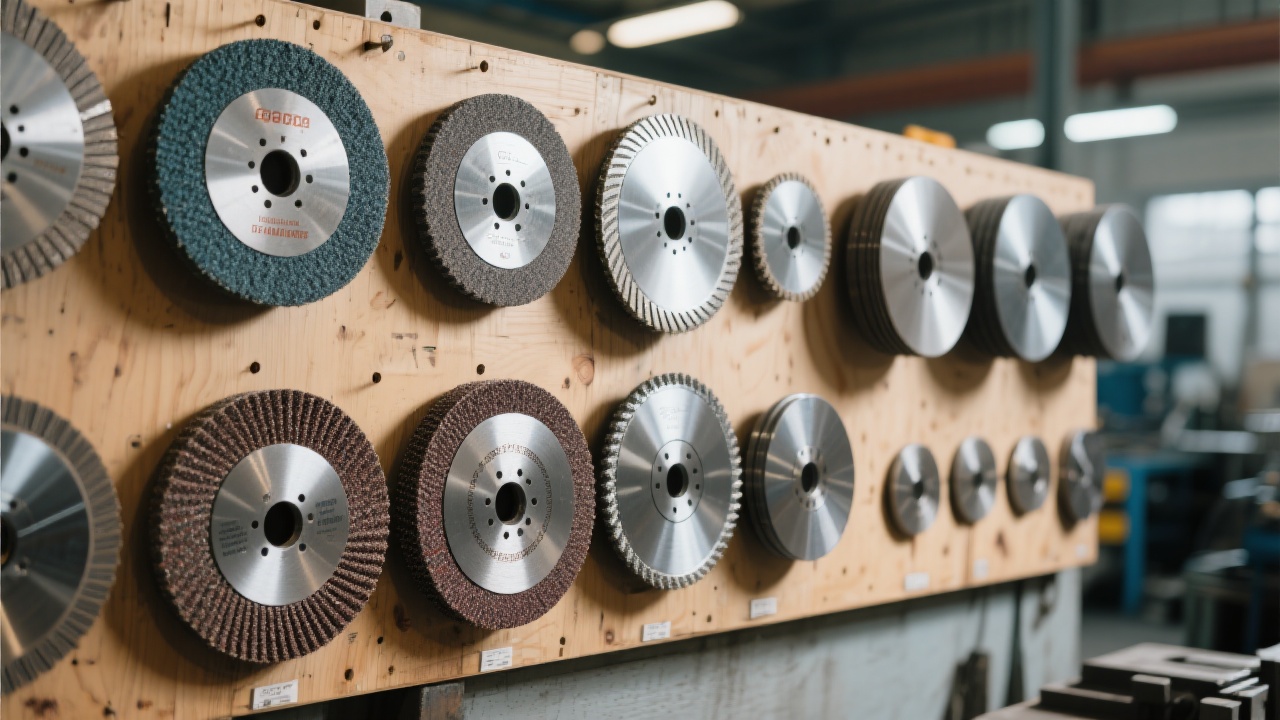
“Since integrating brazed diamond grinding tools into our production line, tool replacement intervals have tripled, with a noticeable boost in grinding consistency across tougher alloys. The overall impact on operation costs is evident.” – John Martinez, Manufacturing Engineer, Precision Components Inc.
This testimonial mirrors dozens of client reports affirming that selecting brazed diamond technology is a strategic investment that redefines their machining economics.
Emphasizing durability translates to multiple operational advantages:

 376
|
376
|
 Brazed diamond grinding
Industrial grinding tools
High - performance grinding
Durable diamond tools
Grinding solutions
Brazed diamond grinding
Industrial grinding tools
High - performance grinding
Durable diamond tools
Grinding solutions
 430
|
brazed diamond grinding wheels
diamond grinding discs
precision grinding tools
industrial grinding solutions
hard material machining
375
|
Brazed Diamond Grinding 100
Automotive manufacturing grinding application
High - efficiency precision machining
Diamond tool performance
Industrial grinding solutions
244
|
brazed diamond grinding tools
high-intensity grinding
diamond grinding applications
wear-resistant cutting tools
industrial abrasive solutions
497
|
brazed diamond grinding discs
diamond tool selection guide
super - hard tool technology
cast iron brazed grinding discs
precision grinding solutions
430
|
brazed diamond grinding wheels
diamond grinding discs
precision grinding tools
industrial grinding solutions
hard material machining
375
|
Brazed Diamond Grinding 100
Automotive manufacturing grinding application
High - efficiency precision machining
Diamond tool performance
Industrial grinding solutions
244
|
brazed diamond grinding tools
high-intensity grinding
diamond grinding applications
wear-resistant cutting tools
industrial abrasive solutions
497
|
brazed diamond grinding discs
diamond tool selection guide
super - hard tool technology
cast iron brazed grinding discs
precision grinding solutions






.png?x-oss-process=image/resize,m_fill,h_300,w_300/format,webp)


