
The advancement of precision grinding tools continues to reshape manufacturing standards, especially in metalworking and composite material sectors. This case study explores the application of brazed diamond grinding wheels specifically crafted with bowl-shaped cast iron bases and ultra-hard diamond particulates. These tools demonstrate exceptional performance in high-accuracy grinding operations, significantly improving processing efficiencies and tool durability across diverse substrates such as gray cast iron, stainless steel, and carbide materials.
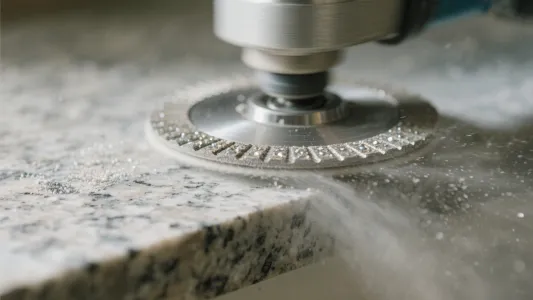
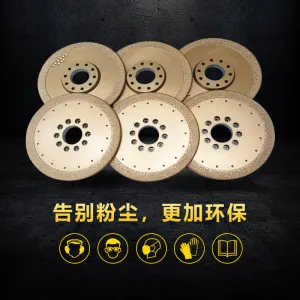
At the core of these grinding wheels lies a proprietary brazing technique that securely embeds polycrystalline diamond particles on a resilient cast iron matrix, forming a robust bond with enhanced heat dissipation properties. This innovation reduces wheel wear by approximately 30-40% compared to conventional resin-bonded wheels, according to internal benchmarking tests. The bowl-shaped design not only optimizes contact areas for uniform material removal but also optimizes chip clearance during high-speed grinding.
The selection of superabrasive diamond particles with hardness exceeding 8,000 HV ensures superior cutting ability and extended tool life. The grain size distribution is precisely controlled for a balance between aggressive material removal and surface finish quality. These diamonds exhibit chemical stability, resisting oxidation at high grinding temperatures commonly encountered in stainless steel and hard alloy processing.
The cast iron bonding layer boasts a microstructure optimized for mechanical strength and vibration damping—a critical factor in minimizing grinding chatter and improving dimensional accuracy. Available in multiple diameters ranging from 100 mm to 300 mm, the product line accommodates diverse machining centers and grinding tasks, offering flexibility without compromising structural integrity.
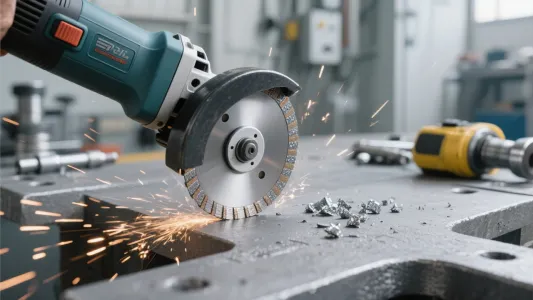
In practical applications, these brazed diamond wheels have demonstrated outstanding performance in processing gray cast iron engine blocks, delivering surface roughness improvements by up to 20% versus alumina wheels. For stainless steel aerospace components, cycle times decreased by an estimated 15-25% due to higher material removal rates and cooler grinding temperatures, reducing workpiece thermal distortion. Additionally, nonmetallic material processing, such as composites and ceramics, achieved enhanced edge quality with minimal micro-chipping.
When benchmarked against similar market offerings, these ultra-hard grinding wheels distinguish themselves with a unique brazing technique that increases diamond retention strength by over 35%, minimizing particle shedding and related safety hazards. The rigid cast iron base combined with superior bonding reduces the risk of wheel fracture, ensuring operator safety and reducing downtime risks.
Field data from multiple manufacturing partners report tool lifespan extensions ranging from 1.5 to 2 times compared to standard resin-bonded wheels. This longevity directly correlates with lower replacement cost and improved process stability. Moreover, grinding accuracy improvements of micron-level tolerance have been achieved, supporting ultra-fine finishing applications in automotive and high-precision engineering fields.
The adoption of brazed diamond grinding technology epitomizes industrial progress, offering companies a potent combination of high throughput, dimensional fidelity, and operational safety. Such attributes underline the value of investing in superior grinding solutions to meet escalating manufacturing demands.

 407
|
407
|
 Brazed diamond grinding discs
Super - hard abrasives
Cast iron processing tools
Diamond grinding discs
Industrial grinding equipment
95
|
brazed diamond grinding tools
impact resistance design
industrial grinding efficiency
superhard material tools
high durability grinding solutions
236
|
brazed diamond grinding wheels
ceramic grinding tools
diamond grinding efficiency
high wear resistance wheels
industrial grinding solutions
Brazed diamond grinding discs
Super - hard abrasives
Cast iron processing tools
Diamond grinding discs
Industrial grinding equipment
95
|
brazed diamond grinding tools
impact resistance design
industrial grinding efficiency
superhard material tools
high durability grinding solutions
236
|
brazed diamond grinding wheels
ceramic grinding tools
diamond grinding efficiency
high wear resistance wheels
industrial grinding solutions
 298
|
brazed diamond grinding wheels
high wear resistance grinding tools
industrial grinding innovation
diamond abrasive technology
precision machining solutions
298
|
brazed diamond grinding wheels
high wear resistance grinding tools
industrial grinding innovation
diamond abrasive technology
precision machining solutions
 200
|
Brazed diamond grinding discs
Superhard grinding tools
Diamond grinding wheels
Cast iron processing tools
Precision grinding solutions
200
|
Brazed diamond grinding discs
Superhard grinding tools
Diamond grinding wheels
Cast iron processing tools
Precision grinding solutions






.png?x-oss-process=image/resize,m_fill,h_300,w_300/format,webp)


