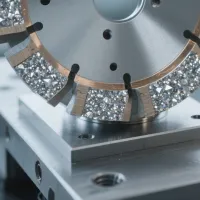
In the field of diamond grinding tools, achieving high - quality interface bonding strength between the diamond and the substrate is crucial for the performance and longevity of diamond grinding discs. This article, from the perspective of UHD, a well - known brand in the industry, will delve into the influence of brazing temperature control on the interface bonding strength of diamond grinding discs and provide effective optimization strategies.
Brazing temperature is a critical factor in determining the interface bonding strength of diamond grinding discs. The heating rate, holding time, and the thermal matching between the substrate material (such as high - speed steel or cemented carbide) play significant roles. For example, improper heating rates can lead to uneven thermal expansion, which may cause internal stress in the grinding disc and reduce the bonding strength. According to experimental data, when the heating rate is too fast, the probability of interface cracking increases by about 20%.
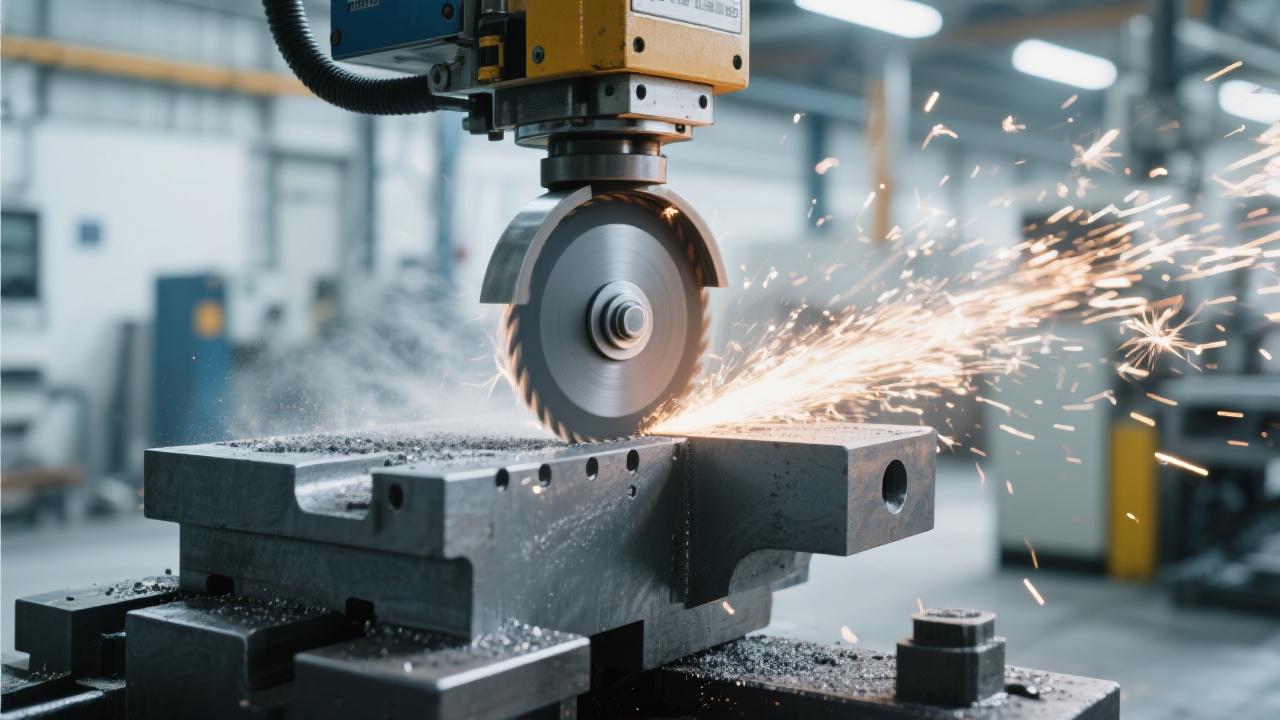
The thermal expansion differences between different substrate materials during the brazing process also need to be carefully considered. High - speed steel and cemented carbide have different thermal expansion coefficients. If the brazing temperature is not properly controlled, it may lead to poor bonding between the diamond and the substrate. For instance, in the case of high - speed steel substrates, a brazing temperature that is too high may cause excessive grain growth, reducing the hardness and strength of the substrate.
Carbide formation during the brazing process has a positive impact on the edge stability of diamond grinding discs. When the brazing temperature is within an appropriate range, carbon atoms in the diamond react with the metal elements in the substrate or filler metal to form carbides. These carbides can enhance the bonding between the diamond and the substrate, improving the edge stability and wear resistance of the grinding disc. Research shows that in some cases, the formation of carbides can increase the cutting efficiency of the grinding disc by about 15%.
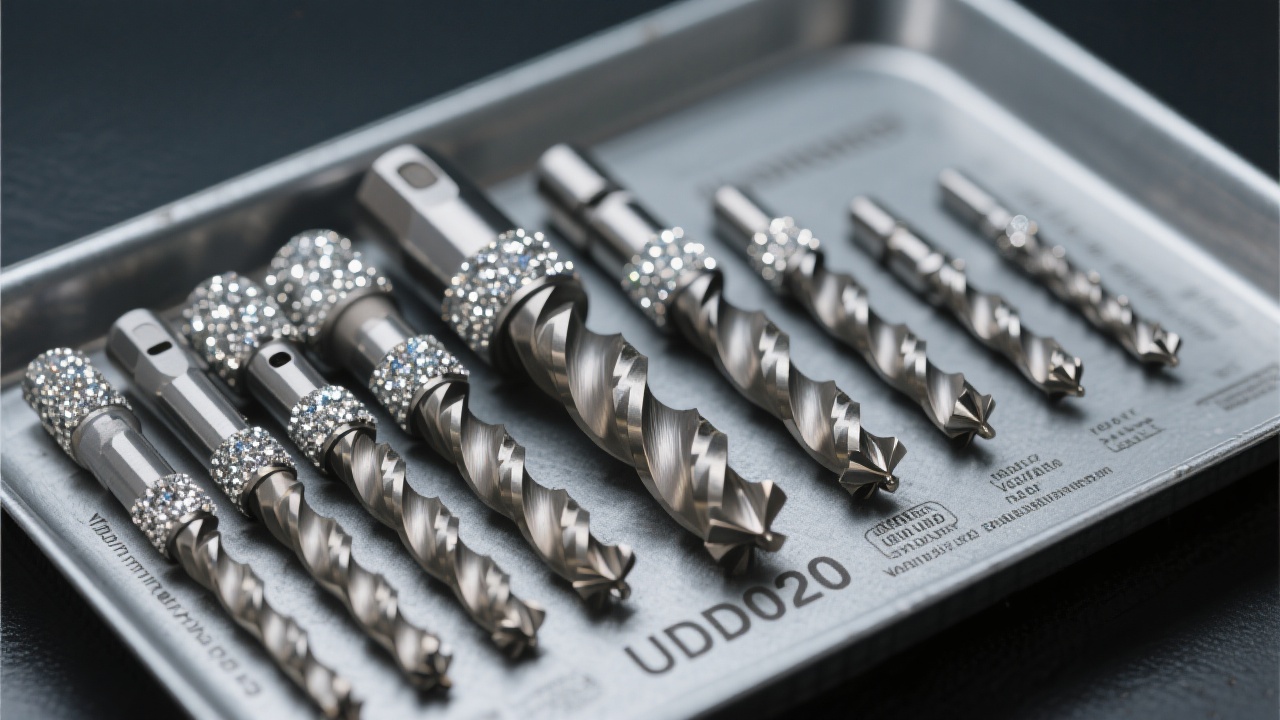
However, if the brazing temperature is too high, the excessive formation of carbides may lead to brittleness at the interface, increasing the risk of edge chipping. Therefore, precise control of the brazing temperature is essential to balance the formation of carbides and ensure the overall performance of the grinding disc.
Let's look at some real - world case studies. A manufacturing company was facing issues with the short lifespan and poor cutting consistency of their diamond grinding discs. After analyzing the brazing process, they found that the brazing temperature was not well - controlled. By adjusting the heating rate, holding time, and matching the brazing temperature with the substrate material, they were able to increase the cutting efficiency by 15% and extend the lifespan of the grinding discs by about 30%.
To help engineers quickly troubleshoot common problems such as desoldering and edge chipping, we have provided a flowchart and data reference. This can be a valuable tool for on - site engineers to optimize the brazing process and improve the quality of diamond grinding discs.
In addition, we have incorporated industry standards such as ASTM and ISO to support our viewpoints, enhancing the professional credibility of this article. These standards provide a reliable basis for the design and optimization of the brazing process.
Are you struggling with the brazing process of diamond grinding discs? Download our PDF guide here to learn more about the optimization of brazing temperature control and improve the performance of your products. You can also participate in our technical Q&A interaction to discuss with experts and solve your practical problems.
 470
|
470
|
 gray iron processing tool abnormal wear
high-wear-resistant diamond grinding disk
gray iron graphite flake damage
grinding disk brazing strength
grinding disk thermal stability
gray iron processing tool abnormal wear
high-wear-resistant diamond grinding disk
gray iron graphite flake damage
grinding disk brazing strength
grinding disk thermal stability
 173
|
Asian emerging markets
Digital transformation
Export competitiveness
Tech trends
Brazed diamond tools
173
|
Asian emerging markets
Digital transformation
Export competitiveness
Tech trends
Brazed diamond tools
 337
|
European SME market research
market research plan
B2B customer segmentation Europe
competitor analysis framework
market research tools
337
|
European SME market research
market research plan
B2B customer segmentation Europe
competitor analysis framework
market research tools
 58
|
diamond grinding disc selection
grinding disc lifespan extension
stone processing technology
metal grinding solutions
brazed diamond grinding disc advantages
58
|
diamond grinding disc selection
grinding disc lifespan extension
stone processing technology
metal grinding solutions
brazed diamond grinding disc advantages
.png?x-oss-process=image/resize,h_300,m_lfit/format,webp) 156
|
brazed diamond grinding disc
precision mold machining
diamond grinding tools
industrial grinding solutions
grinding wheel stability
156
|
brazed diamond grinding disc
precision mold machining
diamond grinding tools
industrial grinding solutions
grinding wheel stability









.png?x-oss-process=image/resize,m_fill,h_200,w_200/format,webp)