

The evolution of grinding tools is crucial in optimizing manufacturing efficiency and improving precision in machining high-difficulty materials such as stainless steel, ductile iron, and cemented carbides. One of the most transformative advancements in this domain is the application of brazing technology combined with ultra-hard materials, notably brazed diamond abrasives. This article provides a deep dive into the fundamental design principles of brazed diamond grinding tools, revealing why they deliver superior wear resistance and performance.
Unlike traditional welding, brazing technology facilitates a robust metallurgical bonding between the tool substrate and diamond abrasive particles, significantly enhancing wear resistance and structural integrity. The precise control of brazing parameters preserves the microstructure of ultra-hard materials while ensuring a cohesive interface that withstands thermal and mechanical stresses during operation.
This enhanced bonding improves heat dissipation and minimizes abrasive detachment, which frequently limits the lifespan of conventional grinding tools. Data from third-party laboratory testing shows that brazed diamond grinding tools exhibit a 35% increase in tool life compared to welded counterparts under identical cutting conditions.
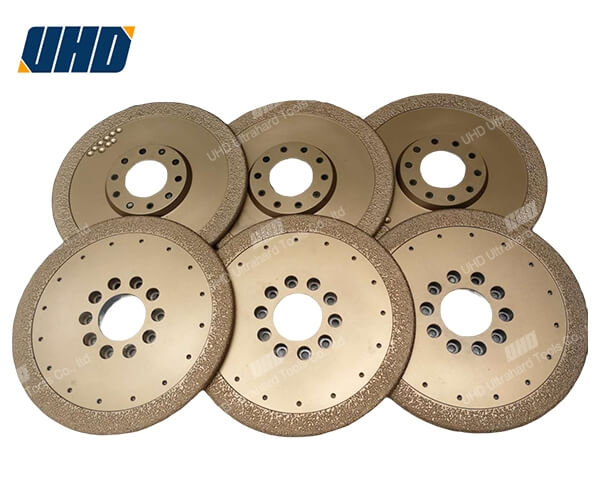
The substrate composition — often tailored with high-strength steels or specialized alloys — plays a pivotal role in achieving optimal brazing. For UHD (ultra-high-density) diamond grinding tools, the coupling between the carbidic matrix and the diamond grains is engineered to maximize interface stability. This stable metallurgical bond reduces micro-cracks and prevents premature failure, particularly vital when machining materials with high hardness or toughness.
The result is a grinding tool that maintains its cutting sharpness longer and resists chipping even under high-impact or thermal load conditions. Industrial applications have reported a 20% boost in cut consistency, directly translating to tighter tolerances and reduced rework.
| Feature | Brazing | Traditional Welding |
|---|---|---|
| Tool Life Improvement | +35% | +15% |
| Thermal Stability | Excellent (up to 850°C) | Moderate (up to 600°C) |
| Impact Resistance | High | Low to Moderate |
| Bonding Quality | Strong metallurgical | Mechanical/thermal fusion |
This comparative data clearly signals that brazing not only elevates wear resistance but also enhances the operational lifespan and consistency of grinding tools in demanding environments.
Extensive testing across industry sectors shows consistent results: when processing grey cast iron, stainless steel, and tungsten carbide, brazed diamond grinding tools maintain sharper edges and reduce surface roughness by up to 25%. For instance, in a precision automotive component manufacturing line, replacing conventional grinding components with brazed diamond tools resulted in a 30% reduction in tool changeover frequency and a productivity increase of 18%.
“Switching to brazed diamond grinding tools was a game-changer for our production quality and uptime. The improved cutter life and consistent finishes have significantly lowered our overall operational costs.”
- Manufacturing Engineer, Global Automotive Supplier
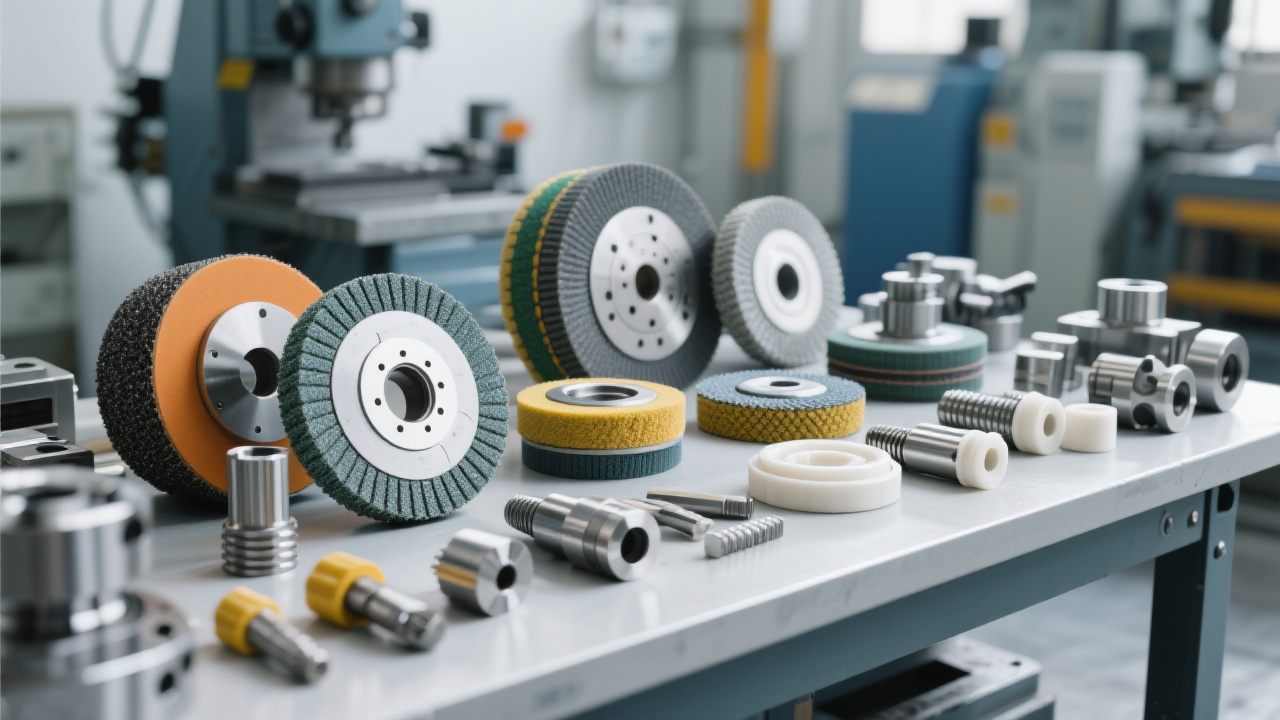
The rise of Industry 4.0 and smart manufacturing demands higher precision, efficiency, and durability from tooling solutions. High wear-resistant grinding tools built through advanced brazing address these challenges by delivering stability at elevated speeds, reducing downtime, and enabling finer surface finishes.
With the integration of data-driven maintenance and automated machining, these tools help create a seamless production flow that aligns perfectly with digital factory aspirations. Cutting parameters can be optimized to exploit the enhanced thermal tolerance, allowing machining speeds up to 15% faster than conventional tools without compromising finish or tool life.

 150
|
150
|
 brazed diamond grinding wheel
superhard grinding tools
high-precision grinding solution
cast iron grinding tool
diamond grinding disc
brazed diamond grinding wheel
superhard grinding tools
high-precision grinding solution
cast iron grinding tool
diamond grinding disc
 420
|
digital transformation in Asia
B2B export strategies
emerging market tech trends
digital marketing for manufacturers
product innovation in manufacturing
104
|
brazed diamond grinding wheels
high-precision machining tools
industrial grinding solutions
diamond abrasive selection
Youde diamond tools
236
|
brazed diamond grinding wheels
ceramic grinding tools
diamond grinding efficiency
high wear resistance wheels
industrial grinding solutions
420
|
digital transformation in Asia
B2B export strategies
emerging market tech trends
digital marketing for manufacturers
product innovation in manufacturing
104
|
brazed diamond grinding wheels
high-precision machining tools
industrial grinding solutions
diamond abrasive selection
Youde diamond tools
236
|
brazed diamond grinding wheels
ceramic grinding tools
diamond grinding efficiency
high wear resistance wheels
industrial grinding solutions
 242
|
Brazed diamond grinding tools
High - strength grinding
Grinding efficiency
Wear resistance
Process optimization guide
242
|
Brazed diamond grinding tools
High - strength grinding
Grinding efficiency
Wear resistance
Process optimization guide







.png?x-oss-process=image/resize,m_fill,h_300,w_300/format,webp)


