
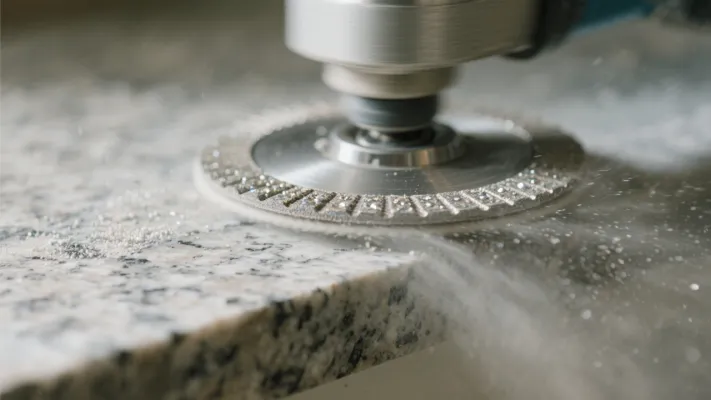
As a technical engineer or operator, you're well - aware of the challenges in precision grinding of hard materials such as gray iron, ductile iron, stainless steel, and stone. These materials have unique physical properties that significantly affect the grinding process. For instance, the hardness and toughness of different materials can change the optimal grinding parameters.
Let's take a look at a comparison table of the physical properties of these materials:
| Material | Hardness (HV) | Toughness (MPa·m1/2) |
|---|---|---|
| Gray Iron | 150 - 250 | 10 - 20 |
| Ductile Iron | 200 - 300 | 20 - 30 |
| Stainless Steel | 150 - 250 | 20 - 50 |
| Stone | 300 - 800 | 1 - 5 |
Harder materials generally require higher grinding forces and lower feed rates. For example, when grinding stone, which has a high hardness, you need to use a slower feed rate to avoid excessive wear on the grinding wheel. On the other hand, materials with high toughness, like stainless steel, may require a different type of grinding wheel to prevent clogging.
An expert in the field once said, "Understanding the relationship between material properties and grinding parameters is the key to achieving high - quality grinding results." This quote emphasizes the importance of this knowledge in your daily work.
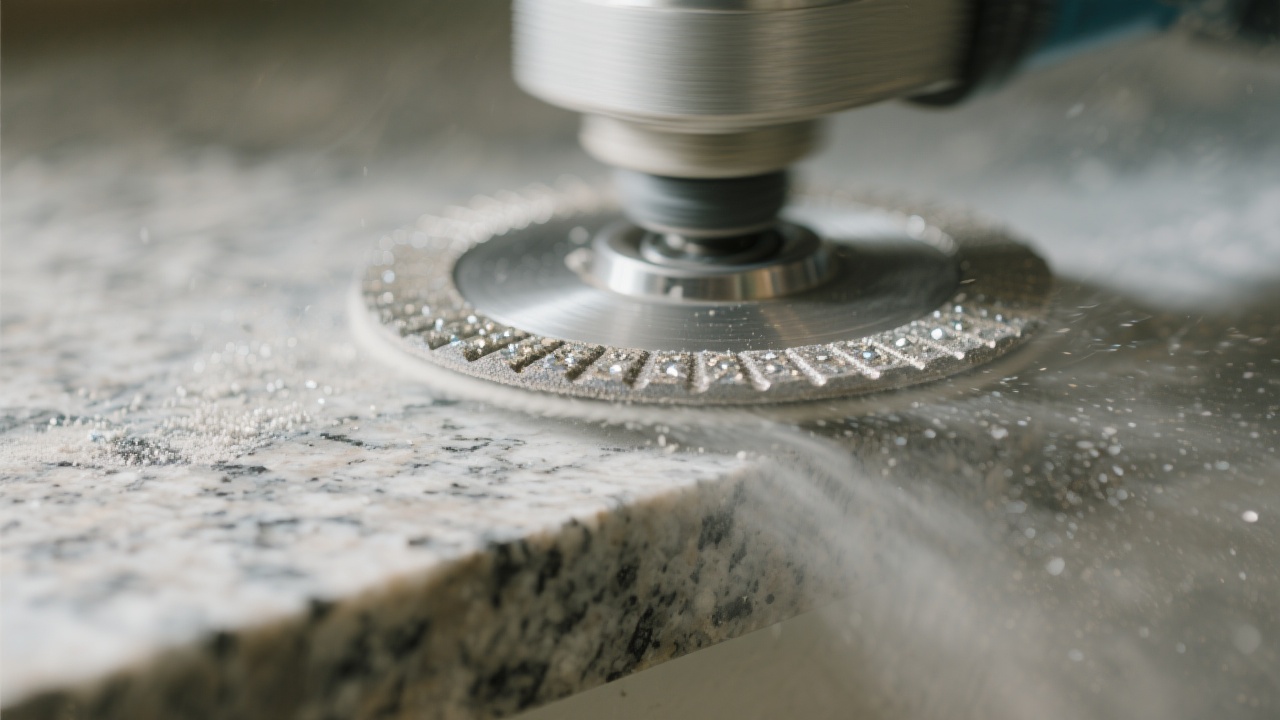
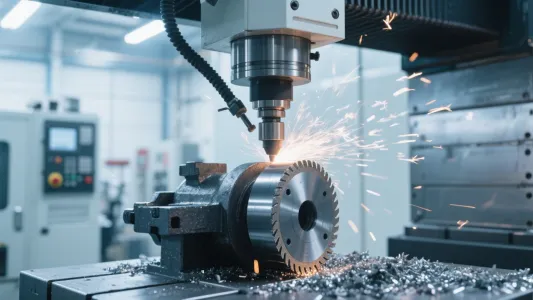
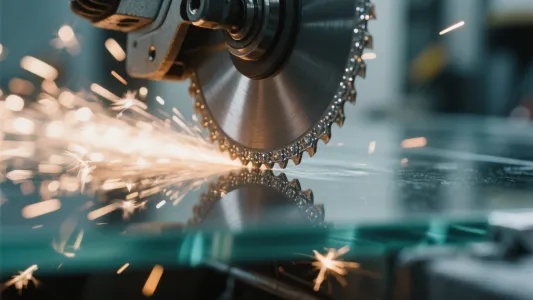
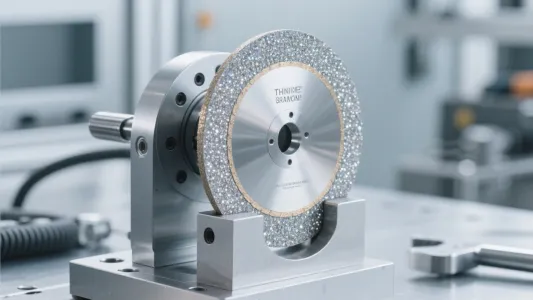
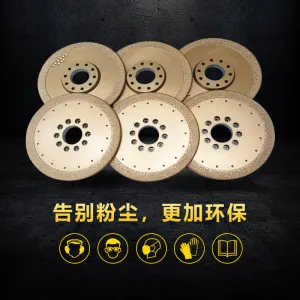
The brazed diamond grinding wheel is a revolutionary solution for precision grinding of hard materials. It offers several core technical advantages. Firstly, it has a strong bonding force between the diamond and the substrate, which allows for high - speed grinding without the risk of diamond shedding.
Secondly, the brazed diamond grinding wheel can significantly improve the grinding efficiency. It can remove material at a faster rate compared to traditional grinding wheels, reducing the overall processing time. Moreover, it can also enhance the surface quality of the workpiece, resulting in a smoother finish.
The brazed diamond grinding wheel is suitable for a wide range of applications. It can be used for grinding complex - shaped workpieces, such as those with curved surfaces. In addition, it is also ideal for high - precision grinding tasks, where surface finish and dimensional accuracy are crucial.
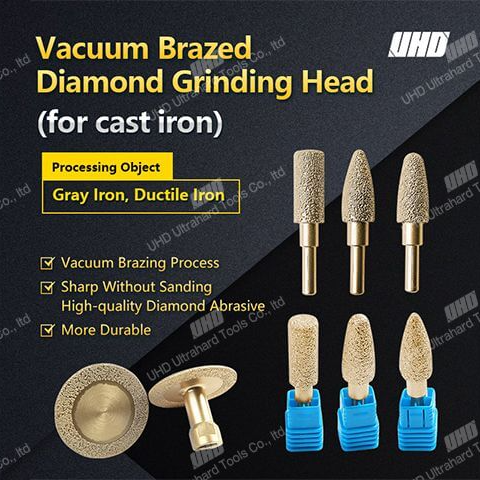
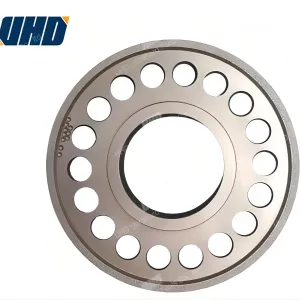
When it comes to selecting the right grinding disk, the curved profile design plays a crucial role, especially for complex workpieces. The curved profile can provide better impact resistance, ensuring stable and efficient grinding.
We offer a variety of grinding disks with diameters ranging from 100mm to 180mm. The selection of the diameter depends on the shape of the workpiece, the required processing accuracy, and the stability of the grinding process. For example, for smaller workpieces, a smaller - diameter grinding disk may be more appropriate, while larger workpieces may require a larger - diameter disk.
Here is a simple selection logic: If you need high - precision grinding for a small - sized workpiece, choose a smaller - diameter disk with a fine - grained diamond. For larger workpieces or rough grinding, a larger - diameter disk with a coarser diamond may be a better choice.
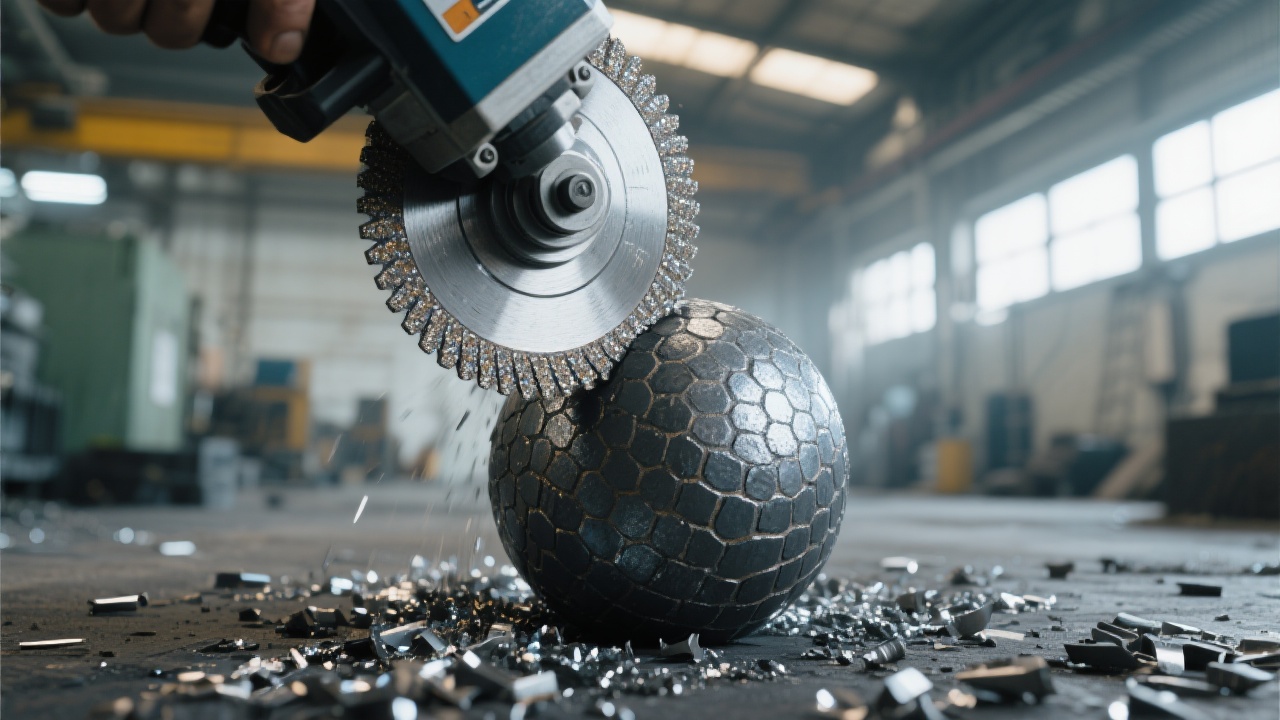
Let's look at some real - world examples. A company was struggling with the grinding of stainless steel parts. After switching to our brazed diamond grinding wheels, they were able to reduce the processing time by 30% and improve the surface quality significantly. Another case involved the grinding of stone sculptures. By using our curved profile grinding disks, the artist was able to achieve a more precise and smooth finish.
At UHD, we understand that your success is our success. That's why we offer professional after - sales support. Our team of experts is always ready to assist you with any technical issues or questions you may have. We also provide risk assurance, ensuring that you can use our products with confidence.
Are you ready to take your precision grinding to the next level? Explore our range of brazed diamond grinding wheels and curved profile grinding disks at CTA - URL and revolutionize your grinding process today!
 491
|
491
|
 Precision grinding technology
Brazed diamond wheels
Gray iron processing
Ductile iron grinding
Curved profile grinding disc
Precision grinding technology
Brazed diamond wheels
Gray iron processing
Ductile iron grinding
Curved profile grinding disc
 82
|
brazed diamond grinding disc
stone cutting efficiency
diamond grinding wheel
industrial grinding tools
wear-resistant grinding plate
82
|
brazed diamond grinding disc
stone cutting efficiency
diamond grinding wheel
industrial grinding tools
wear-resistant grinding plate
 333
|
180mm diameter brazed diamond grinding tools
cemented carbide machining tools
high - standard brazed diamond grinding tools
diamond grinding tool performance
super - hard grinding tool applications
333
|
180mm diameter brazed diamond grinding tools
cemented carbide machining tools
high - standard brazed diamond grinding tools
diamond grinding tool performance
super - hard grinding tool applications
 440
|
Brazed diamond grinding tools
high-strength material processing
diamond grinding wheels
wear-resistant grinding technology
superhard material grinding
440
|
Brazed diamond grinding tools
high-strength material processing
diamond grinding wheels
wear-resistant grinding technology
superhard material grinding
 292
|
180mm brazed diamond abrasives
hard alloy processing abrasives
high - standard brazed diamond abrasives
diamond abrasive performance
super - hard abrasive application tutorial
292
|
180mm brazed diamond abrasives
hard alloy processing abrasives
high - standard brazed diamond abrasives
diamond abrasive performance
super - hard abrasive application tutorial








.png?x-oss-process=image/resize,m_fill,h_300,w_300/format,webp)


