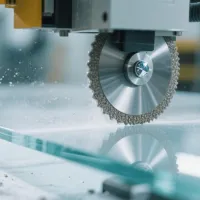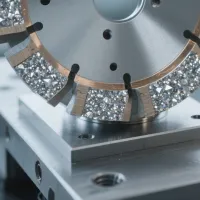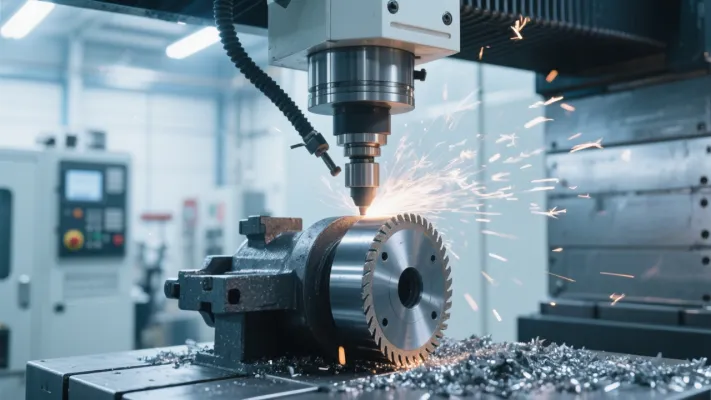
As a technical engineer or operator in the field of precision grinding, you're well aware that the choice of the right brazed diamond wheel can significantly impact machining efficiency, surface quality, and tool life when working with gray iron and ductile iron. In this guide, we'll delve into the details to help you optimize your grinding solutions.
Gray iron and ductile iron have distinct hardness and toughness characteristics. Gray iron is relatively brittle, while ductile iron is more ductile. These differences have a direct impact on the grinding force and thermal deformation during the grinding process. For example, the higher hardness of gray iron may require greater grinding force, which can lead to more heat generation and potential thermal deformation. On the other hand, the ductility of ductile iron may cause the material to adhere to the grinding wheel, affecting the surface finish. 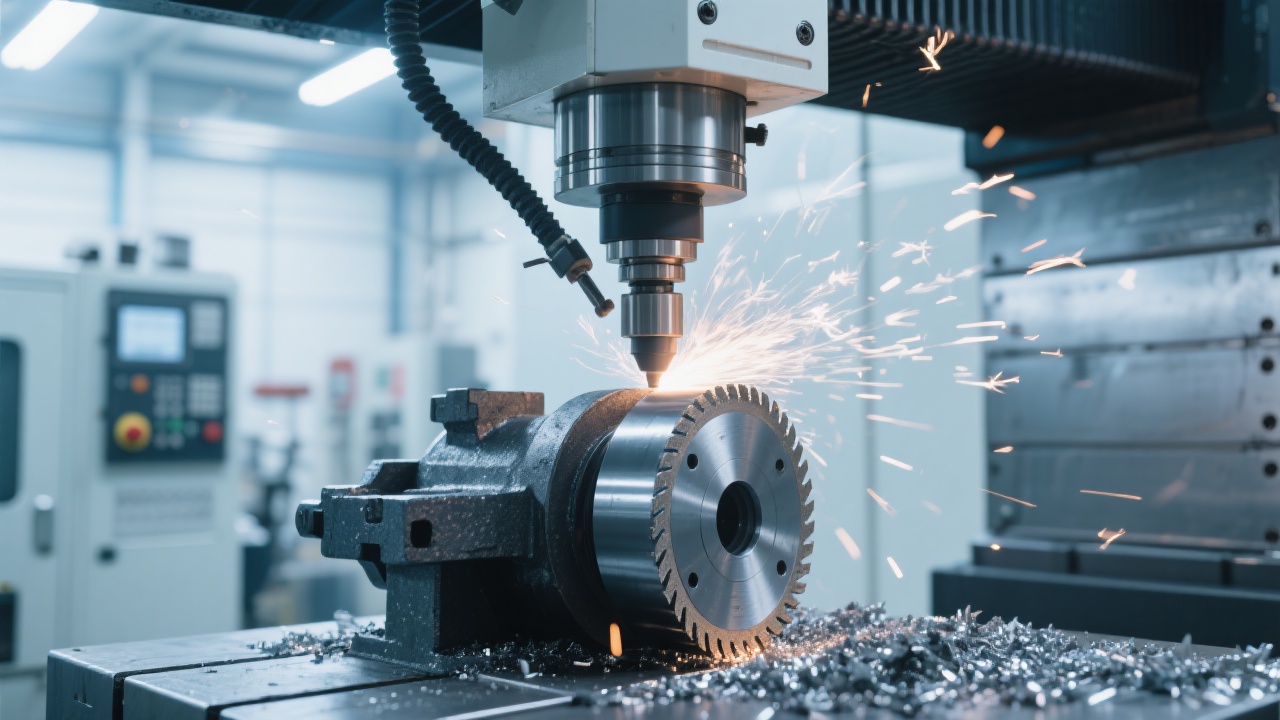
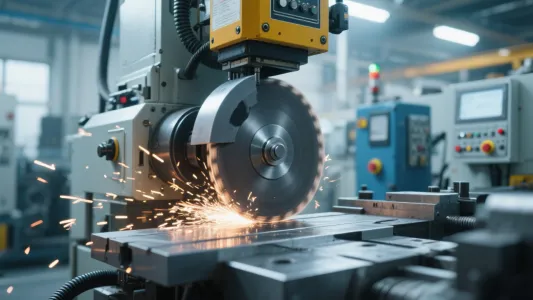
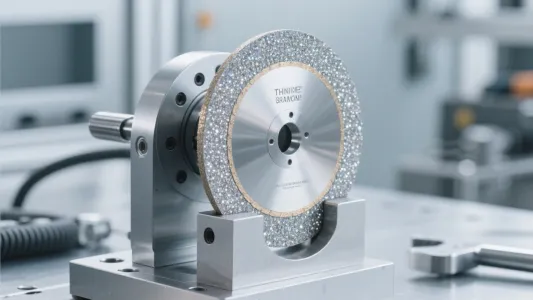
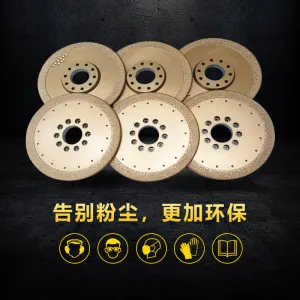
When it comes to efficiency, lifespan, and surface finish, brazed diamond wheels outperform traditional wheels. Traditional wheels often wear out quickly, resulting in frequent wheel changes and increased downtime. In contrast, brazed diamond wheels offer superior wear resistance, which can significantly extend the tool life. In terms of surface finish, brazed diamond wheels can achieve a smoother surface, reducing the need for additional finishing operations.
"Brazed diamond wheels have revolutionized the precision grinding industry, providing higher efficiency and better surface quality," says a leading industry expert.
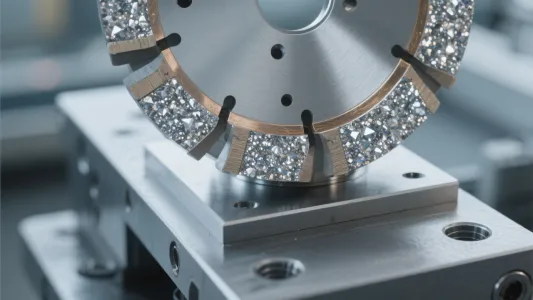
The curved profile design of brazed diamond wheels offers several advantages. It can prevent wear and fracture, especially when dealing with complex geometric shapes. The unique design allows the wheel to adapt to different surface contours, ensuring consistent grinding performance. For instance, in the machining of parts with curved surfaces, the curved profile design can provide better contact and more efficient material removal. 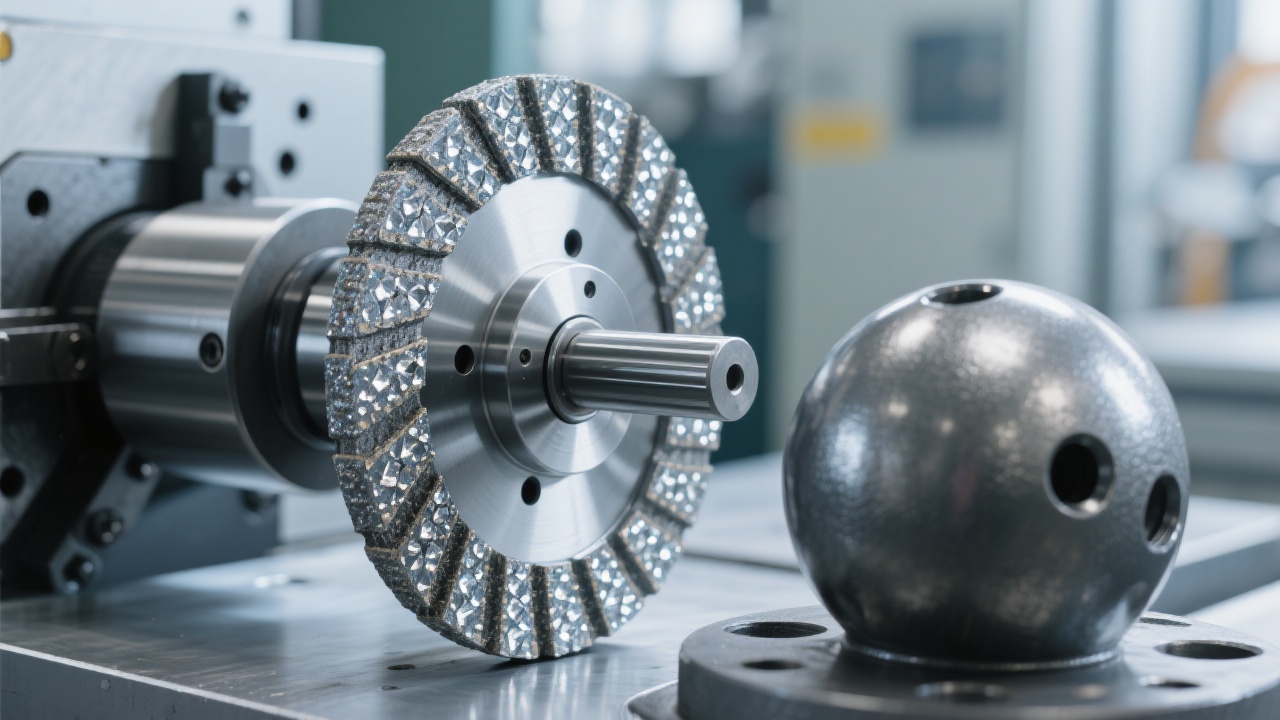
When selecting a brazed diamond wheel, you need to consider the workpiece size (ranging from 100mm to 180mm) and the application scenario (plane or curved surface). For smaller workpieces, a wheel with a smaller diameter may be more suitable, while for larger workpieces, a larger diameter wheel can provide higher efficiency. Additionally, the shape of the workpiece also affects the wheel selection. For complex shapes, a wheel with a more flexible design may be required. Here is a table showing the general selection guidelines based on workpiece size and shape:
| Workpiece Size | Workpiece Shape | Recommended Wheel Type |
|---|---|---|
| 100mm - 120mm | Plane | Small-diameter flat wheel |
| 120mm - 150mm | Curved | Medium-diameter curved wheel |
| 150mm - 180mm | Complex | Large-diameter multi-functional wheel |
Many customers have experienced significant improvements in processing efficiency after using UHD's super-hard material tools. For example, a manufacturing company reported a more than 30% increase in processing efficiency after switching to UHD's brazed diamond wheels. This improvement not only reduces production costs but also enhances the overall competitiveness of the enterprise. 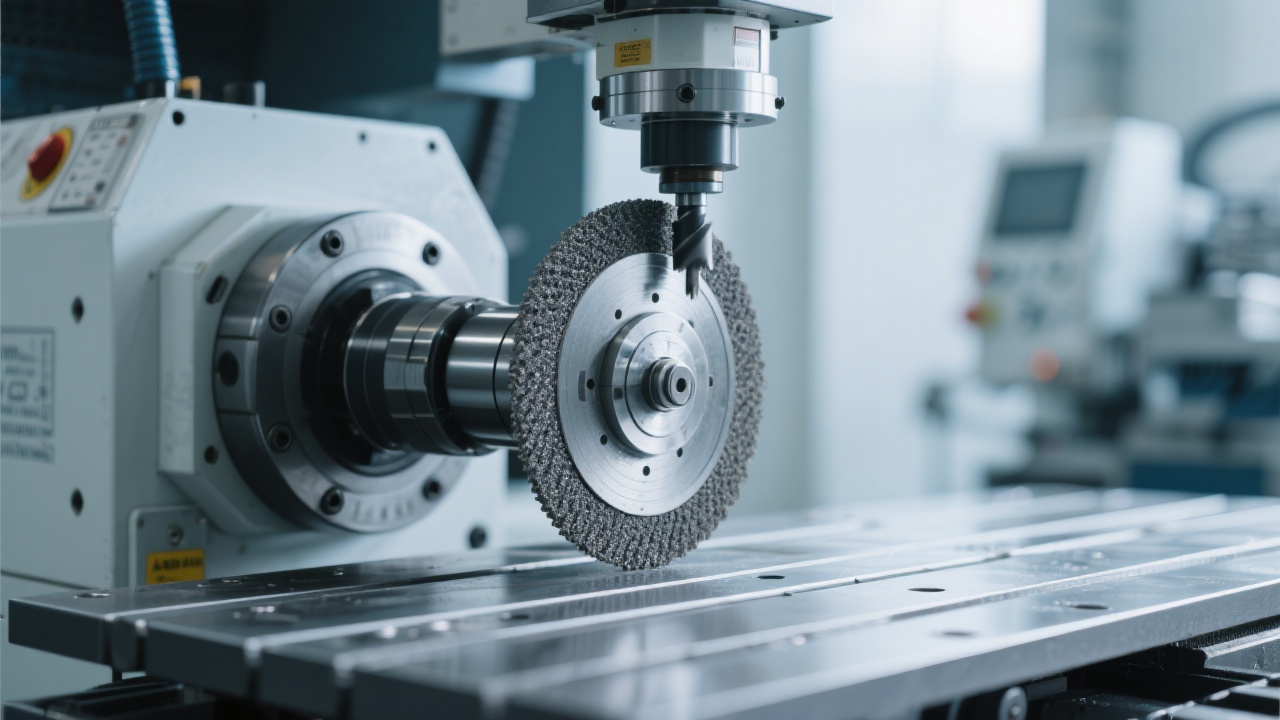
Here are some common questions and practical tips regarding grinding parameter settings, coolant selection, and maintenance cycles:
Discover more customized solutions for your precision grinding needs. Contact our technical team now!
 137
|
137
|
 North American digital transformation
enterprise success cases
digital technology application
business process reconstruction
digital strategy
North American digital transformation
enterprise success cases
digital technology application
business process reconstruction
digital strategy
 211
|
Brazed diamond grinding wheel
Brazing technology
Curved profile design
Grinding efficiency
Wear resistance
211
|
Brazed diamond grinding wheel
Brazing technology
Curved profile design
Grinding efficiency
Wear resistance
 314
|
Brazed diamond cup wheels
Brazing technology
Wear resistance
Curved profile design
Hard material grinding
314
|
Brazed diamond cup wheels
Brazing technology
Wear resistance
Curved profile design
Hard material grinding
 276
|
Brazed diamond grinding disc
Industrial-grade diamond grinding tools
Youde Superhard Tools
High-efficiency grinding technology
Carbide processing
276
|
Brazed diamond grinding disc
Industrial-grade diamond grinding tools
Youde Superhard Tools
High-efficiency grinding technology
Carbide processing
 292
|
180mm brazed diamond abrasives
hard alloy processing abrasives
high - standard brazed diamond abrasives
diamond abrasive performance
super - hard abrasive application tutorial
292
|
180mm brazed diamond abrasives
hard alloy processing abrasives
high - standard brazed diamond abrasives
diamond abrasive performance
super - hard abrasive application tutorial







.png?x-oss-process=image/resize,m_fill,h_300,w_300/format,webp)