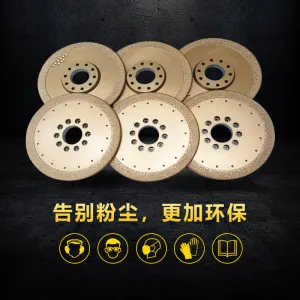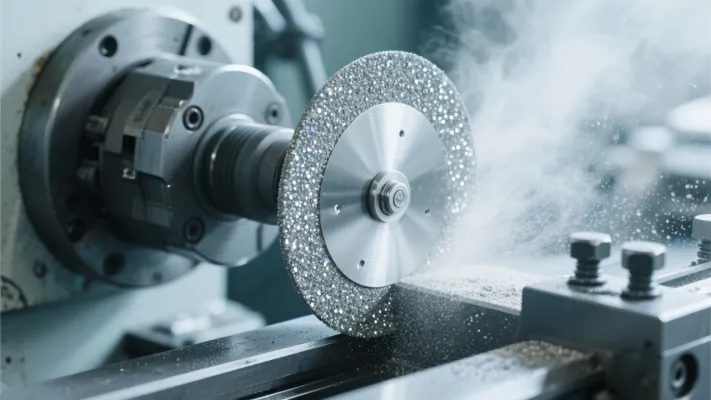
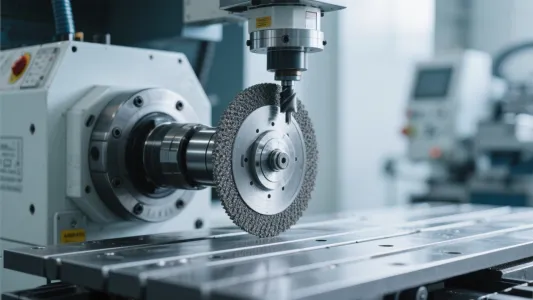
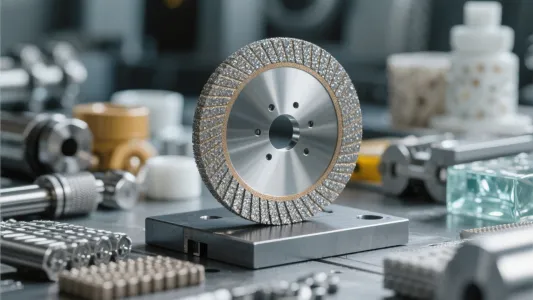
In the process of gray iron grinding, many small and medium - sized manufacturing enterprises often encounter problems such as low efficiency and fluctuating surface roughness. This article, from the perspective of UHD, a professional brand in the field, will systematically explain the key parameter settings and operation points of diamond grinding disks, aiming to help technical teams in these enterprises achieve stable improvement in grinding efficiency and long - term processing advantages.
The main reasons for low grinding efficiency and unstable surface quality in gray iron processing are complex. On one hand, the high content of free carbon in gray iron can cause the grinding disk to become dull, which directly affects the grinding effect. On the other hand, improper parameter settings and operation methods also lead to these problems. For example, inappropriate feed speed may result in insufficient grinding force or excessive damage to the workpiece surface.
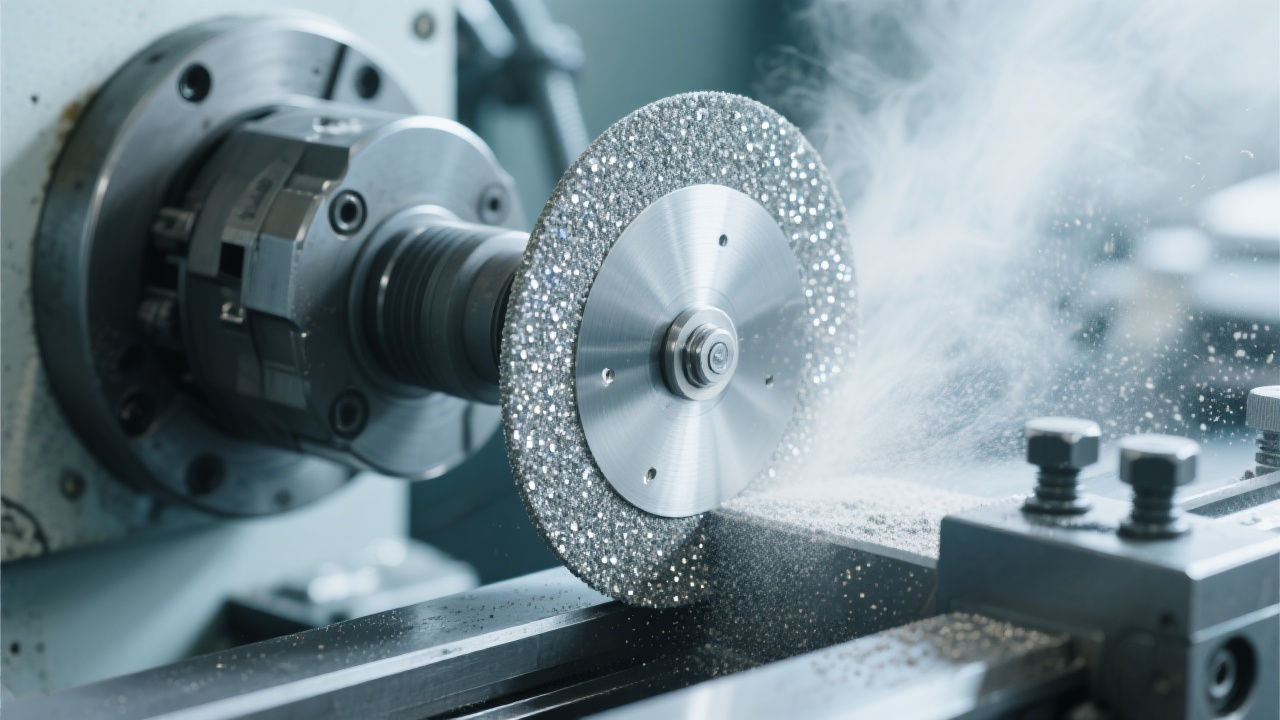
1. Feed Speed: The feed speed has a significant impact on the grinding force and processing accuracy. Generally, a feed speed of 0.05 - 0.15 mm/r is recommended for rough grinding, which can ensure a relatively high material removal rate. For finish grinding, a slower feed speed of 0.01 - 0.05 mm/r should be adopted to improve the surface quality. If the feed speed is too fast, it may cause excessive wear on the grinding disk and affect the surface roughness of the workpiece; if it is too slow, the grinding efficiency will be greatly reduced.
2. Coolant Selection and Spraying Method: The type of coolant plays a crucial role in the grinding process. Water - based coolants are widely used because of their good cooling and lubricating properties. When selecting a coolant, factors such as the material of the workpiece and the grinding conditions should be considered. In terms of the spraying method, it is recommended to use a high - pressure spraying system to ensure that the coolant can effectively reach the grinding area, reducing the temperature and preventing the adhesion of chips.
3. Grinding Wheel Dressing Frequency and Method: Regular dressing of the grinding wheel is necessary to maintain its sharpness. The dressing frequency depends on the grinding volume and the type of workpiece. Generally, dressing should be carried out every 10 - 20 hours of continuous grinding. The dressing method can be mechanical dressing or electrical dressing, and specific methods should be selected according to the actual situation.
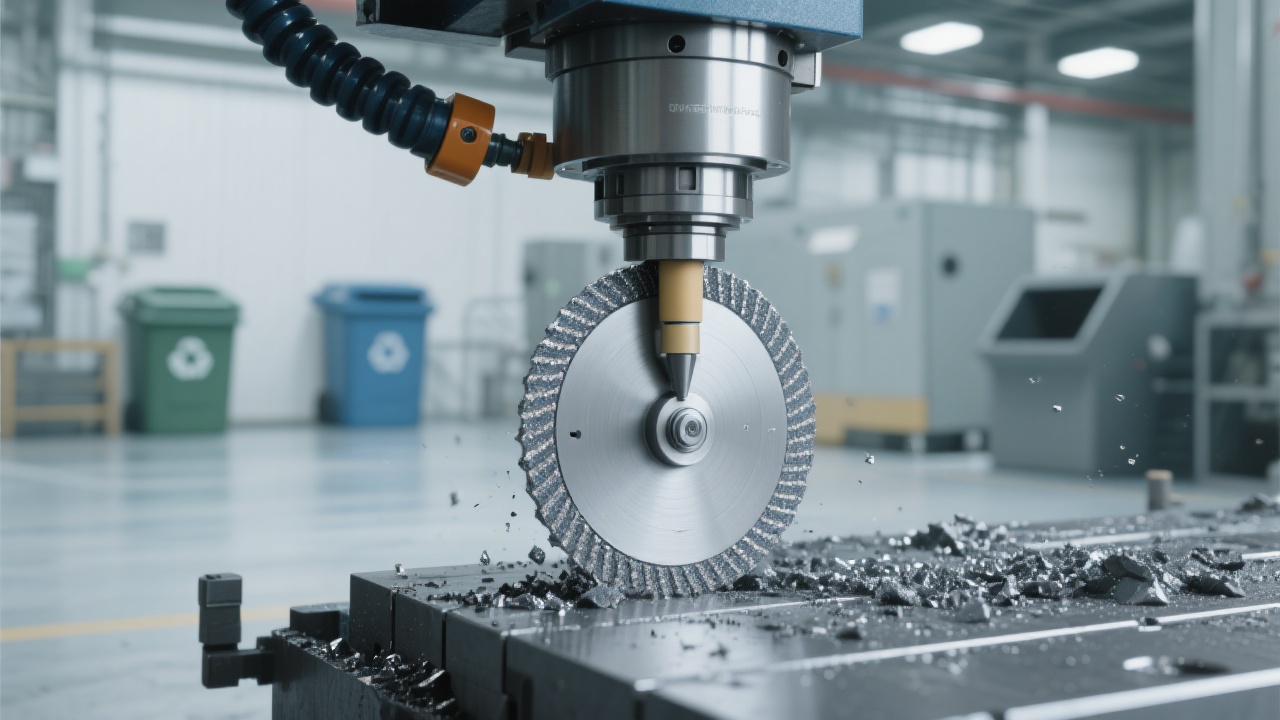
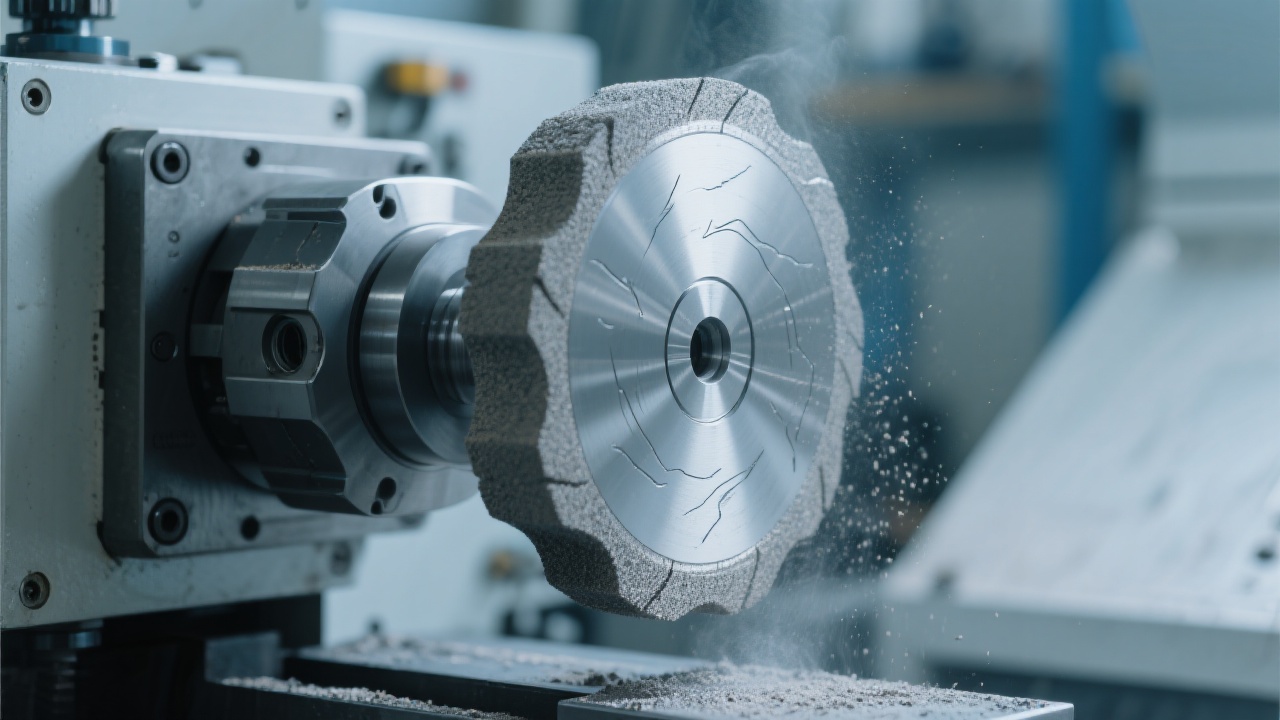
The high free carbon content in gray iron is the main cause of grinding disk dulling. To solve this problem, regular maintenance of the grinding disk is required. For example, using a special cleaning agent to remove the carbon deposits on the grinding disk surface. In addition, the load of the grinding disk should be reasonably matched to avoid over - loading, which can effectively reduce the degree of dulling.
Through some typical application cases, we can see that blindly increasing the rotation speed and pressure in the grinding process will not only fail to improve the grinding efficiency but also cause excessive wear on the grinding tools. For example, in a certain enterprise, increasing the rotation speed by 50% led to a 30% increase in tool wear, while the grinding efficiency only increased by 10%. Therefore, technical teams should avoid such mistakes.
To improve the practical guidance of the content and user stickiness, this article uses a combination of text, pictures, and videos. You can refer to the operation video link [Video Link] for more intuitive learning. In addition, through interactive Q&A, users can actively participate in the learning process. At the same time, by using SEO - friendly keywords, the online dissemination ability and the professional image of the brand are enhanced.
If you want to learn more about efficient grinding solutions, please visit our technical document center.

 82
|
82
|
 brazed diamond grinding disc
stone cutting efficiency
diamond grinding wheel
industrial grinding tools
wear-resistant grinding plate
brazed diamond grinding disc
stone cutting efficiency
diamond grinding wheel
industrial grinding tools
wear-resistant grinding plate
 90
|
Digital transformation
Asian emerging markets
Export competitiveness
Technology trends
Brazed diamond grinding tools
90
|
Digital transformation
Asian emerging markets
Export competitiveness
Technology trends
Brazed diamond grinding tools
 481
|
Gray iron machining diamond disk selection
Diamond disk wear mechanism
Gray cast iron grinding efficiency improvement
High - wear - resistant brazed diamond grinding disk
Industrial grinding disk substrate material comparison
481
|
Gray iron machining diamond disk selection
Diamond disk wear mechanism
Gray cast iron grinding efficiency improvement
High - wear - resistant brazed diamond grinding disk
Industrial grinding disk substrate material comparison
 211
|
Brazed diamond grinding wheel
Brazing technology
Curved profile design
Grinding efficiency
Wear resistance
211
|
Brazed diamond grinding wheel
Brazing technology
Curved profile design
Grinding efficiency
Wear resistance
 420
|
digital transformation in Asia
B2B export strategies
emerging market tech trends
digital marketing for manufacturers
product innovation in manufacturing
420
|
digital transformation in Asia
B2B export strategies
emerging market tech trends
digital marketing for manufacturers
product innovation in manufacturing





.png?x-oss-process=image/resize,m_fill,h_300,w_300/format,webp)