
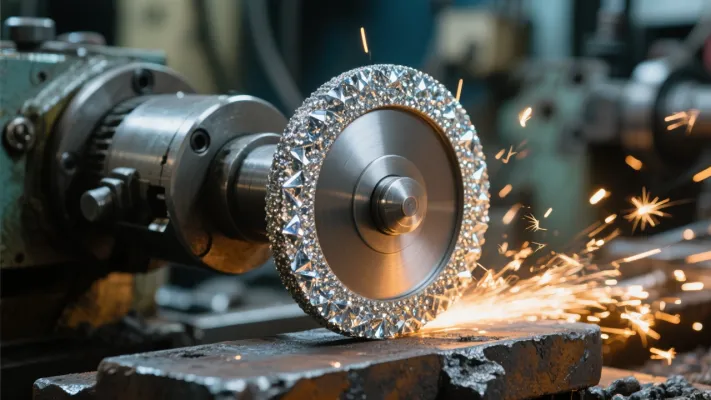
In gray iron processing, the selection of diamond grinding disks directly affects grinding efficiency and surface quality. This article delves into the influence mechanism of the graphite flake structure in gray iron materials on the shedding of diamond particles, reveals how the brazing process enhances the impact resistance and wear resistance of grinding disks, and compares the applicable scenarios of high - speed steel and cemented carbide substrates.
The uneven distribution of graphite flakes in gray iron materials can accelerate the shedding of diamond particles. Graphite flakes, with their relatively soft nature, can cause local stress concentration during the grinding process. When the grinding force acts on the diamond particles, the presence of graphite flakes makes it easier for the diamond particles to break away from the matrix. For example, in some industrial applications, the wear rate of diamond grinding disks can increase by about 20% - 30% due to the influence of graphite flakes.
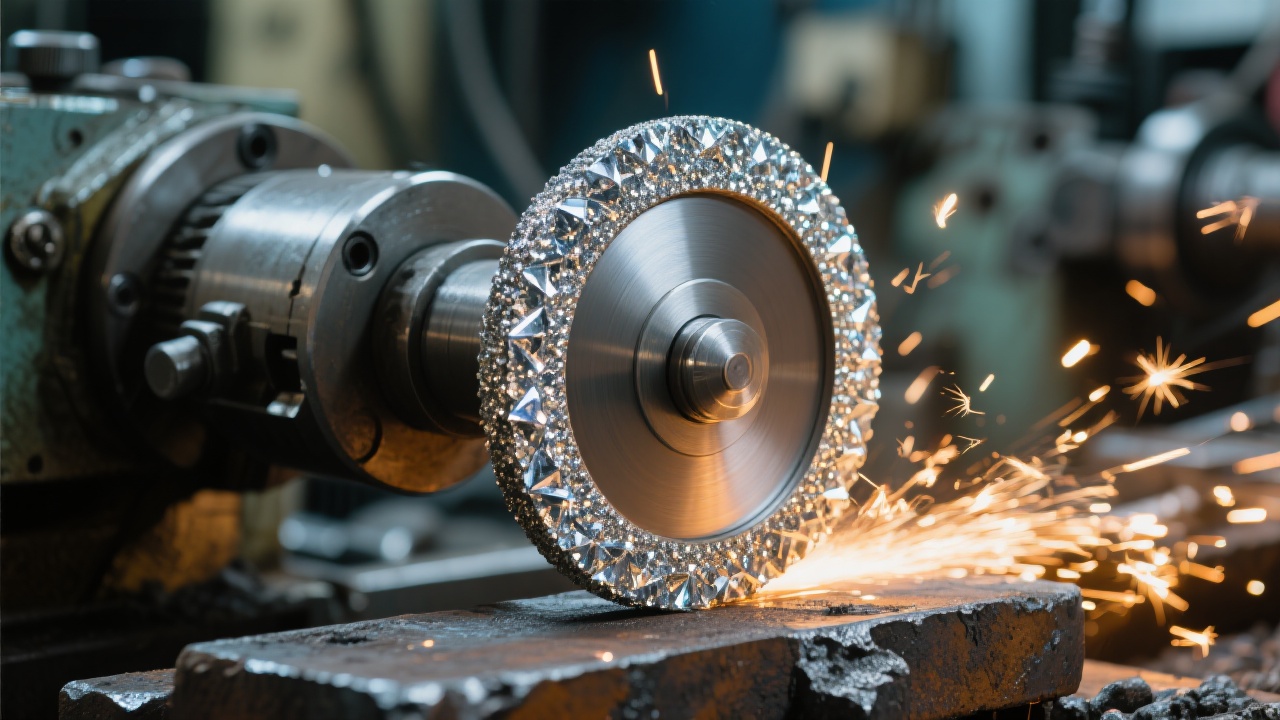
The high - tech brazing process can significantly enhance the bonding strength between the diamond particles and the matrix and improve the impact resistance of the grinding disk. By using advanced brazing materials and processes, a strong metallurgical bond can be formed between the diamond and the matrix, which can effectively prevent the diamond particles from falling off. According to industry experts, the bonding strength of diamond grinding disks using high - tech brazing processes can be increased by 50% - 70% compared with traditional methods. This improvement not only extends the service life of the grinding disk but also improves the grinding efficiency.
High - speed steel and cemented carbide substrates have different characteristics in terms of thermal expansion coefficient and toughness. High - speed steel has a relatively high thermal expansion coefficient, which is suitable for applications where the grinding temperature is relatively high and the requirements for toughness are not extremely high. On the other hand, cemented carbide has high hardness and wear resistance, and is more suitable for high - precision grinding operations. For example, in the processing of automotive parts, high - speed steel substrates may be more suitable for rough grinding, while cemented carbide substrates are more suitable for finish grinding.
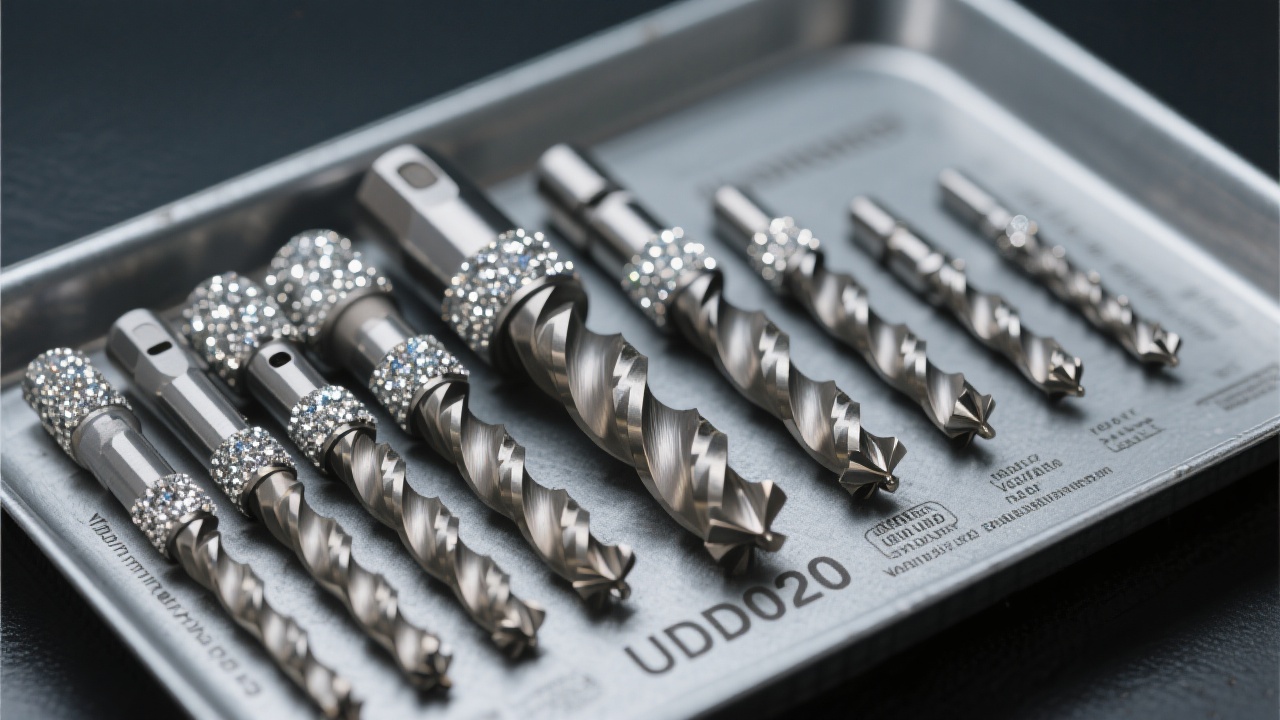
In an automotive parts factory, after optimizing the selection of diamond grinding disks, the grinding efficiency was increased by about 30%, and the cost was reduced by 20%. In a mold manufacturing enterprise, the service life of the grinding disk was extended by 50% through reasonable selection, which also improved the surface quality of the mold. These real - world cases demonstrate the importance of proper diamond grinding disk selection.
To help technical engineers and production managers make better decisions, a three - step selection method is proposed: 1. Evaluate the working conditions, including the hardness of the workpiece, the grinding accuracy requirements, and the grinding environment. 2. Match the substrate according to the evaluation results, considering factors such as thermal expansion coefficient and toughness. 3. Verify the brazing quality to ensure the stability and reliability of the grinding disk.
Regular detection and preventive maintenance are crucial for extending the service life of diamond grinding disks. By regularly checking the wear of the grinding disk and the bonding strength between the diamond particles and the matrix, potential problems can be detected and solved in time. This can reduce the frequency of tool replacement and improve production efficiency.
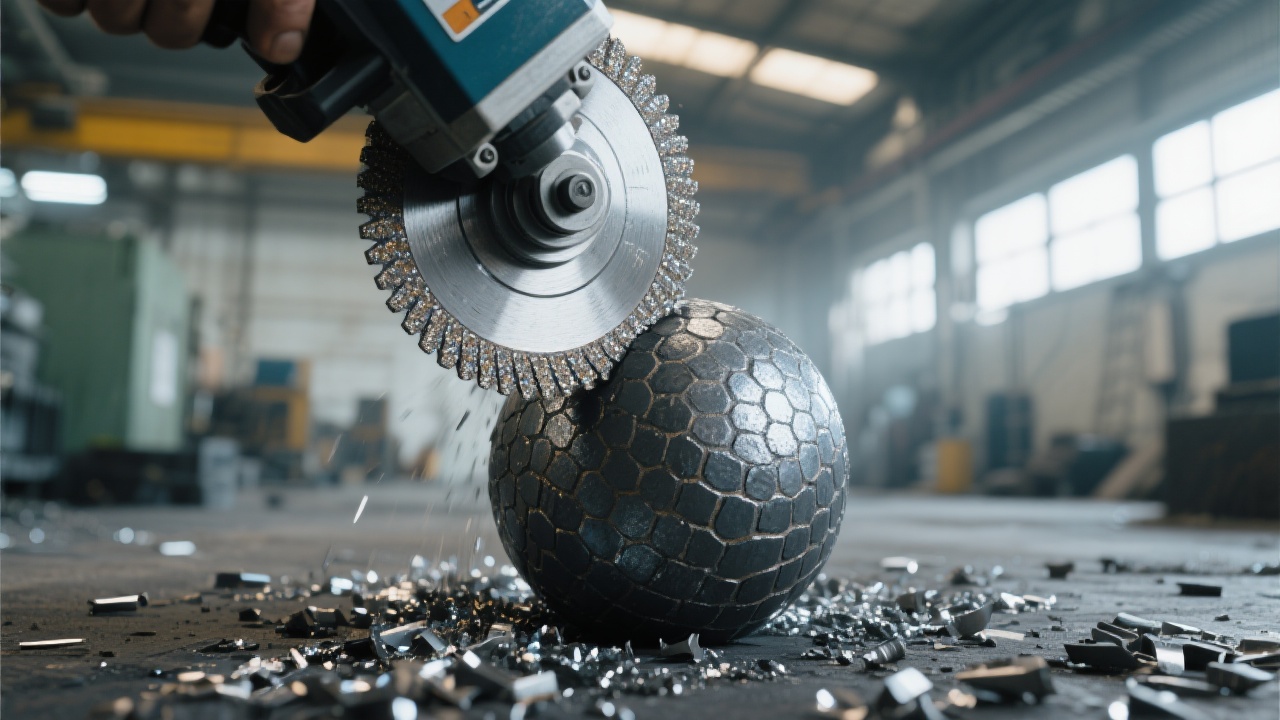
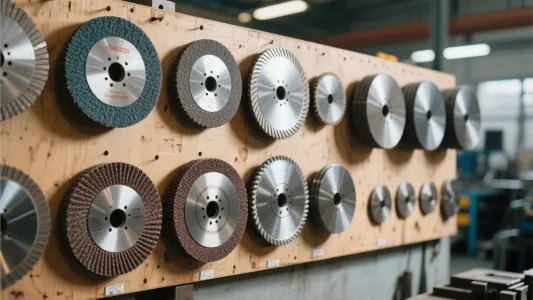
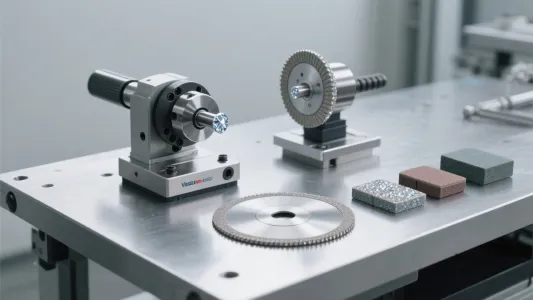
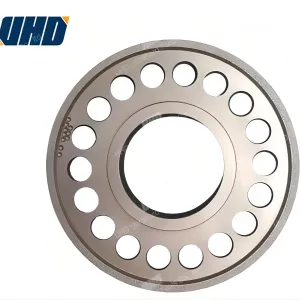
UHD Super - Hard Material Tool Company provides high - wear - resistant brazed diamond grinding disks, which are based on such technological precipitation. These grinding disks can effectively meet the needs of gray iron processing, improve grinding efficiency, and reduce costs.
Explore UHD's High - Performance Diamond Grinding Disks Now!
 337
|
337
|









.png?x-oss-process=image/resize,m_fill,h_300,w_300/format,webp)


.png?x-oss-process=image/resize,m_fill,h_300,w_300/format,webp)


