
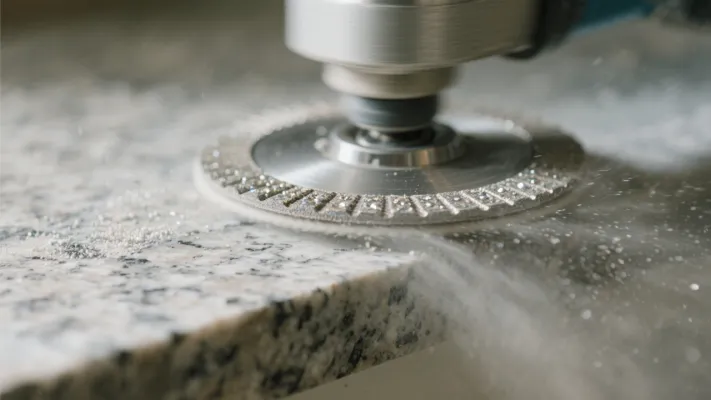
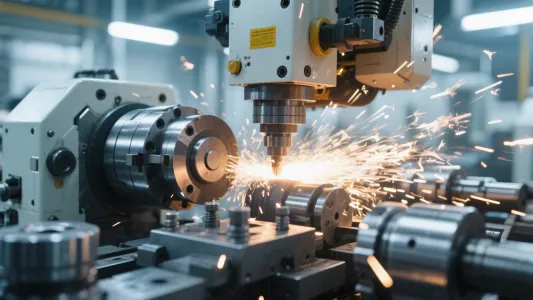
As on - site engineers, we've witnessed numerous real - world scenarios in gray iron machining. For instance, in a factory, the frequent tool changes during gray iron processing led to significant downtime losses. This constant interruption not only affected production efficiency but also increased costs.
Let's start by analyzing the root cause. Gray iron contains graphite flakes, and their unique structural characteristics are the main reason for the abnormal wear of ordinary grinding discs. Graphite flakes have a lubricating effect, but they also create a complex wear environment. When using traditional grinding discs, the graphite flakes can penetrate the grinding surface, causing uneven wear and accelerating the damage to the grinding tool. As shown in the wear mechanism comparison chart (Figure 1), we can clearly see the difference between normal wear and the wear caused by graphite flakes.
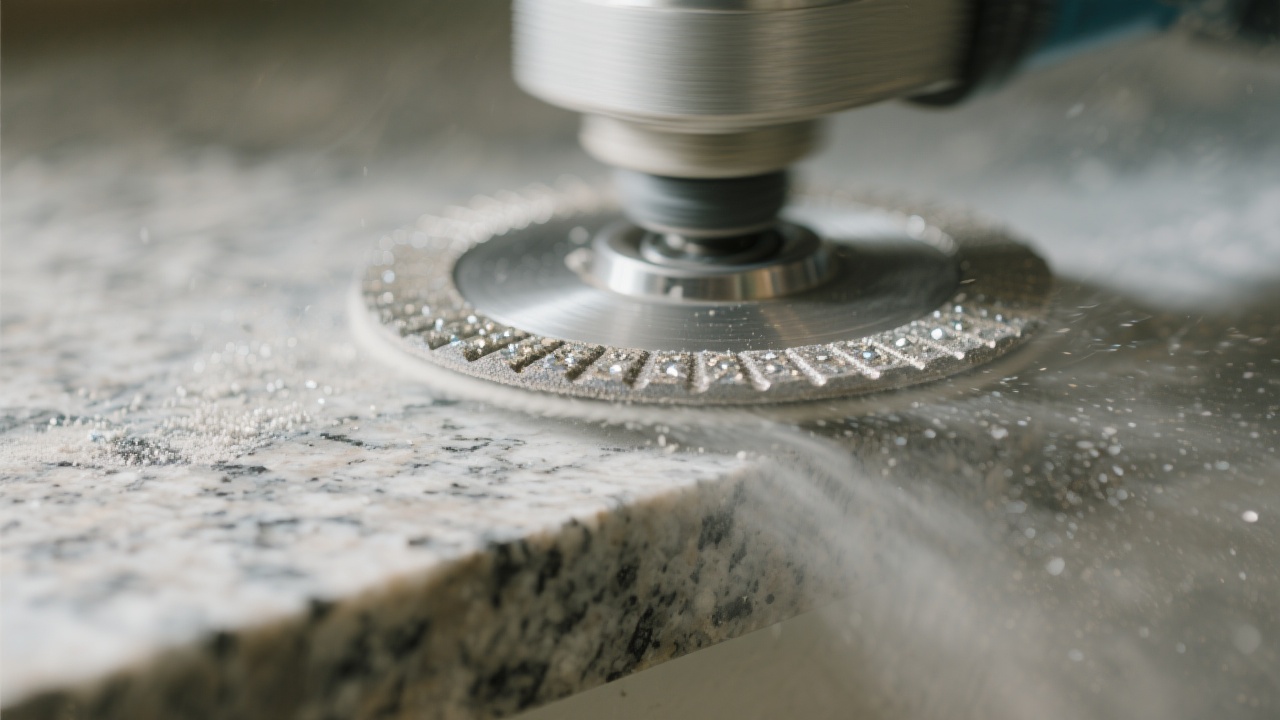
It's essential to understand the differences between stainless steel and gray iron machining. Stainless steel has better thermal conductivity and relatively stable hardness. In contrast, gray iron has lower thermal conductivity, and its hardness can fluctuate. The machining environment for gray iron is also more complex due to the presence of graphite flakes. These differences mean that the grinding tools used for stainless steel may not be suitable for gray iron machining.
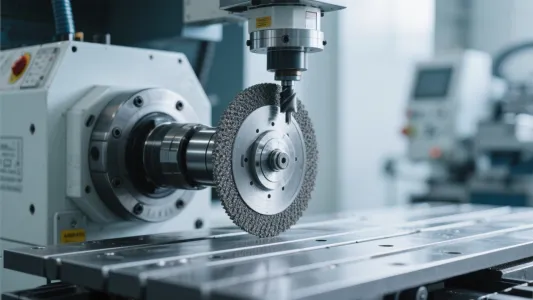
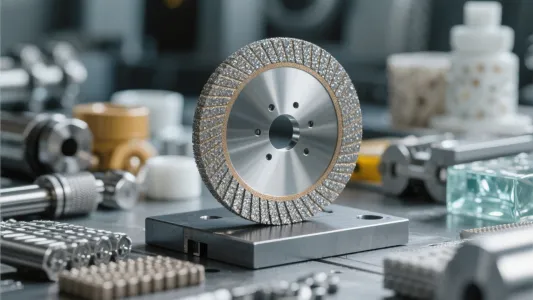
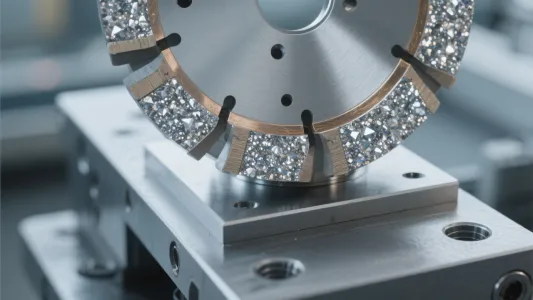
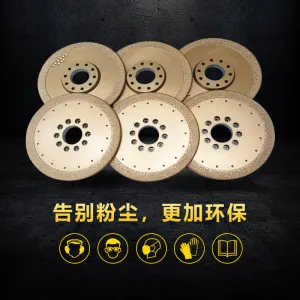
To address the challenges in gray iron machining, we've developed high - wear - resistant diamond grinding discs. These discs have three major technological breakthroughs: enhanced brazing strength, optimized diamond arrangement density, and improved thermal stability.
Firstly, by enhancing the brazing strength, the diamond particles are more firmly attached to the grinding disc. This reduces the risk of diamond particles falling off during the machining process, ensuring the stability of the grinding performance. Secondly, the optimized diamond arrangement density allows for more efficient material removal. The diamonds are evenly distributed, which can better adapt to the complex wear environment caused by graphite flakes. Thirdly, improving thermal stability is crucial. Gray iron machining generates a lot of heat, and a grinding disc with good thermal stability can maintain its performance under high - temperature conditions.
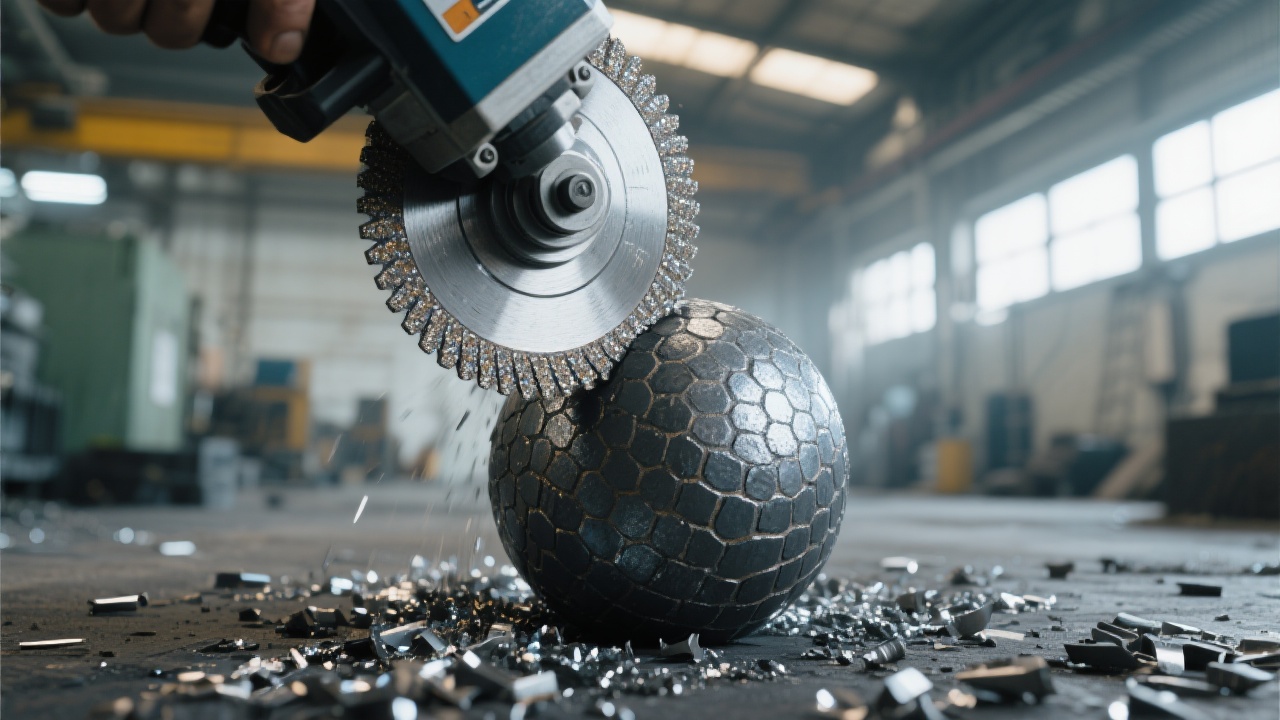
Our practical engineering cases have demonstrated the significant value of these high - wear - resistant diamond grinding discs. The tool change frequency has been reduced by 40%. This means less downtime and higher production efficiency. Additionally, the scrap rate is less than 1%, which greatly improves the quality of the machined products. We've received positive feedback from many engineers on - site. They've found that the high - wear - resistant diamond grinding discs can provide more consistent machining results, making the production process more stable.
In conclusion, if you're involved in gray iron machining, choosing the right grinding tool is crucial. The UHD high - wear - resistant diamond grinding discs can solve the problem of frequent tool changes, allowing your gray iron machining to run smoothly without interruption. Scientific tool selection is equal to cost - reduction and efficiency - improvement.
Learn More about Gray Iron Specialized Grinding Disc Selection
 237
|
237
|
 Brazed diamond abrasive tool selection
Carbide grinding solutions
Ceramic - specific grinding discs
Diamond abrasive tool parameter matching
Gray iron processing abrasive tool recommendations
Brazed diamond abrasive tool selection
Carbide grinding solutions
Ceramic - specific grinding discs
Diamond abrasive tool parameter matching
Gray iron processing abrasive tool recommendations
 211
|
Brazed diamond grinding wheel
Brazing technology
Curved profile design
Grinding efficiency
Wear resistance
211
|
Brazed diamond grinding wheel
Brazing technology
Curved profile design
Grinding efficiency
Wear resistance
 321
|
brazed diamond grinding wheel
diamond grinding tools
grinding efficiency improvement
industrial grinding solutions
safe grinding equipment
321
|
brazed diamond grinding wheel
diamond grinding tools
grinding efficiency improvement
industrial grinding solutions
safe grinding equipment
 158
|
brazed diamond grinding disc
diamond abrasive tool design
grinding efficiency improvement
superhard abrasive application
Youde superhard tools
158
|
brazed diamond grinding disc
diamond abrasive tool design
grinding efficiency improvement
superhard abrasive application
Youde superhard tools
 343
|
UHD brazed diamond cup - shaped grinding wheel
super - hard grinding disc
curved profile design
wear - resistant diamond wheel
grinding tool
343
|
UHD brazed diamond cup - shaped grinding wheel
super - hard grinding disc
curved profile design
wear - resistant diamond wheel
grinding tool







.png?x-oss-process=image/resize,m_fill,h_300,w_300/format,webp)
.png?x-oss-process=image/resize,m_fill,h_300,w_300/format,webp)


