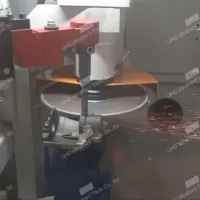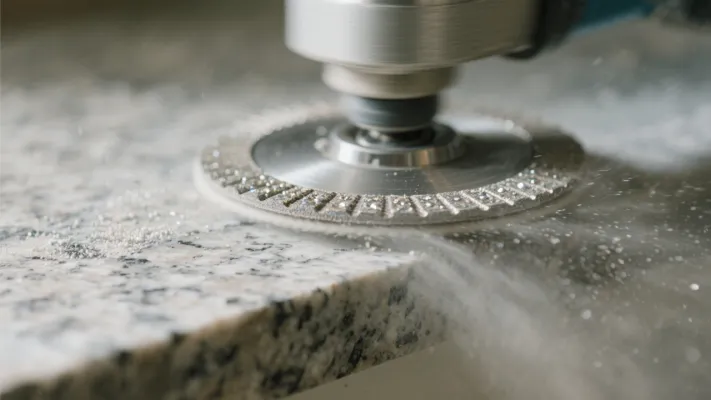
In the realm of precision machining, the choice of grinding technology and tools is crucial for achieving high - quality results. This article delves deep into the precision grinding technology of carbide and non - metallic materials, with a particular focus on the selection and application strategies of brazed diamond grinding wheels.
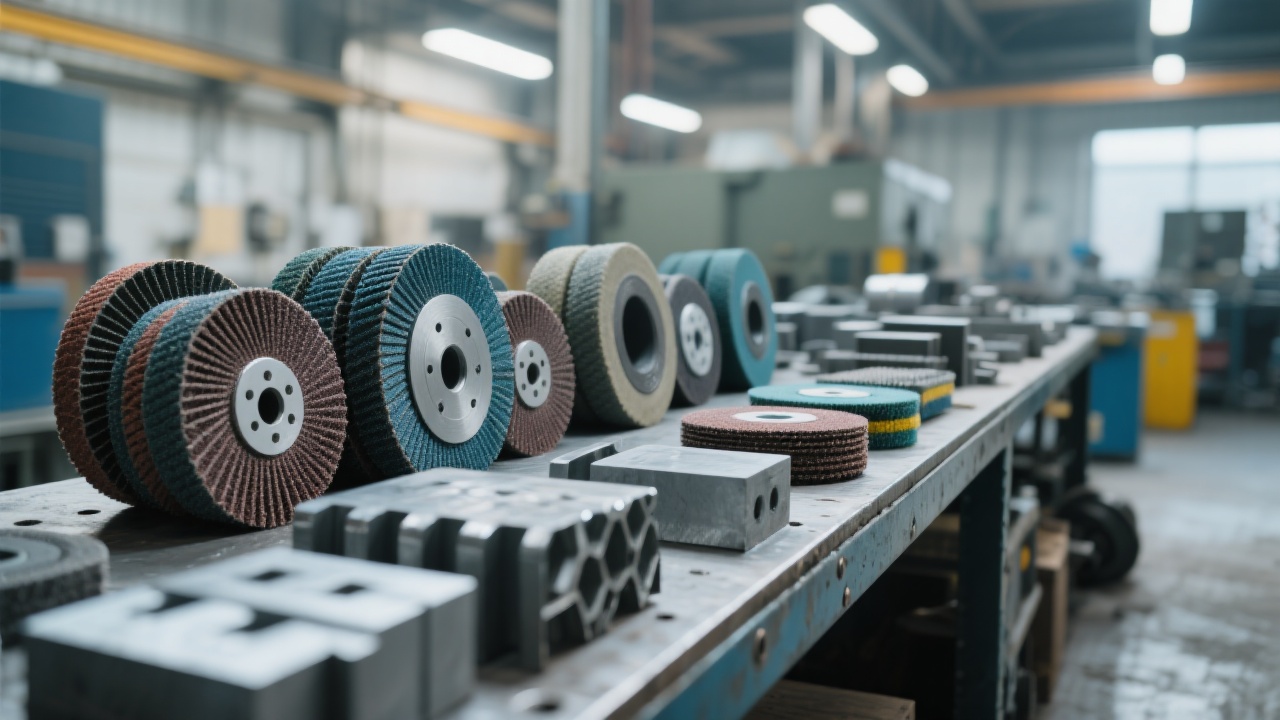
The physical properties of materials such as gray iron, ductile iron, stainless steel, and stone have a significant impact on grinding parameters. For example, gray iron has a relatively low hardness and good machinability. According to industry data, the hardness of gray iron typically ranges from 150 - 250 HB. When grinding gray iron, appropriate grinding parameters need to be set to ensure efficient material removal and good surface quality. Ductile iron, on the other hand, has higher toughness, and its hardness can reach 170 - 320 HB. The higher toughness requires different grinding strategies to avoid surface damage and improve grinding efficiency.
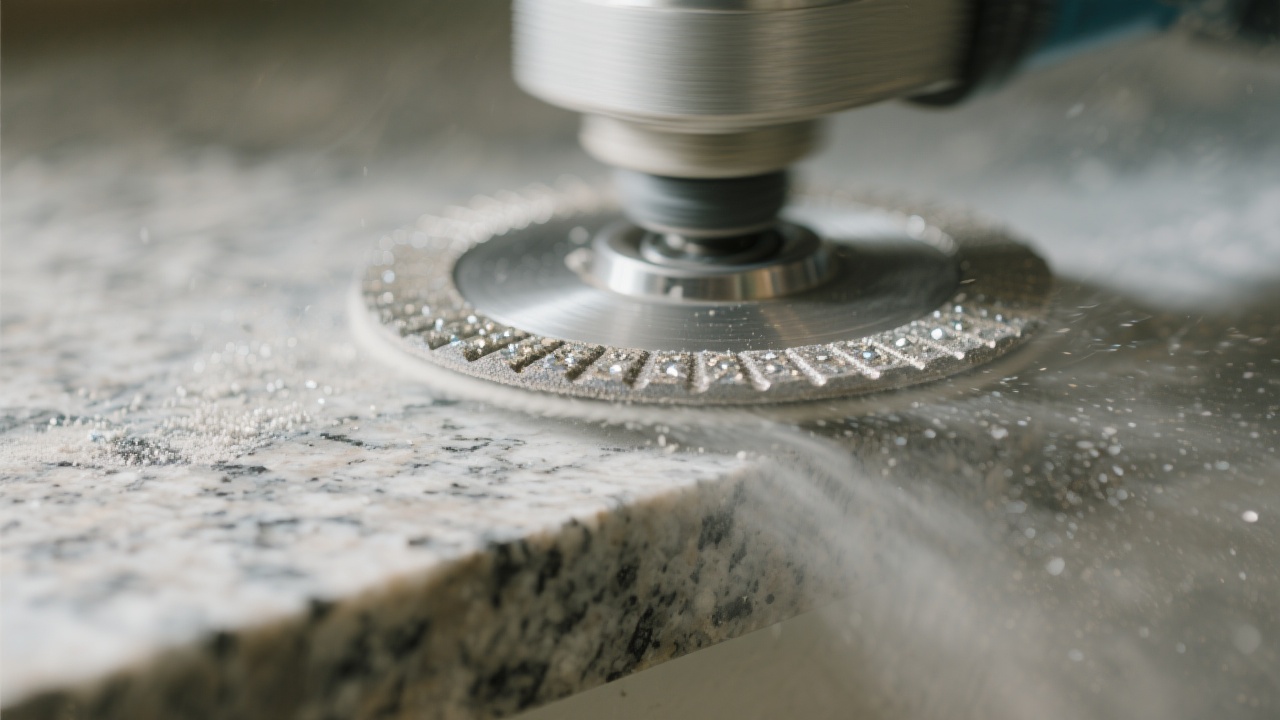
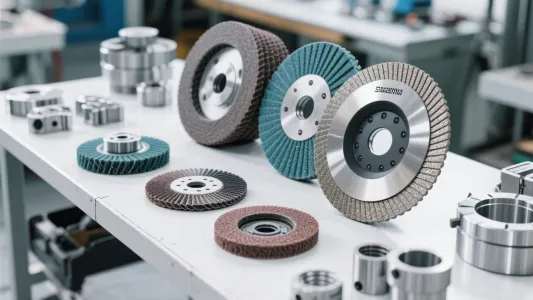
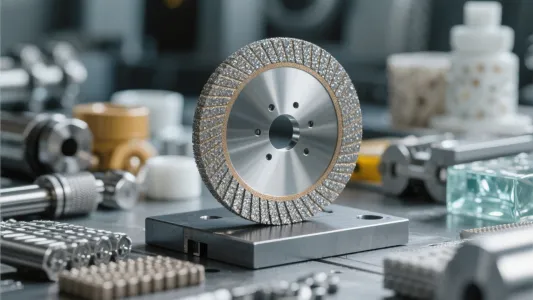
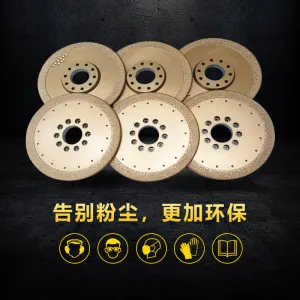
Brazed diamond grinding wheels offer several remarkable advantages. The curved profile design of these wheels is a major innovation. It enhances the wheel's resistance to stamping and wear. In practical applications, compared with traditional grinding wheels, brazed diamond grinding wheels with curved profiles can increase the service life by up to 30% in some cases. This is because the curved profile distributes the grinding force more evenly, reducing local stress and wear.
In actual processing, different shapes and sizes of grinding disks are suitable for different scenarios. For complex workpieces, smaller - sized grinding disks can provide higher precision, while larger - sized disks are more efficient for large - area grinding. For instance, when grinding a complex - shaped carbide mold, a small - diameter grinding disk can better adapt to the curve of the mold, ensuring high - precision processing. Figure 2 shows the flowchart of the grinding process and the logic of wheel selection, which helps engineers and operators make more informed decisions.
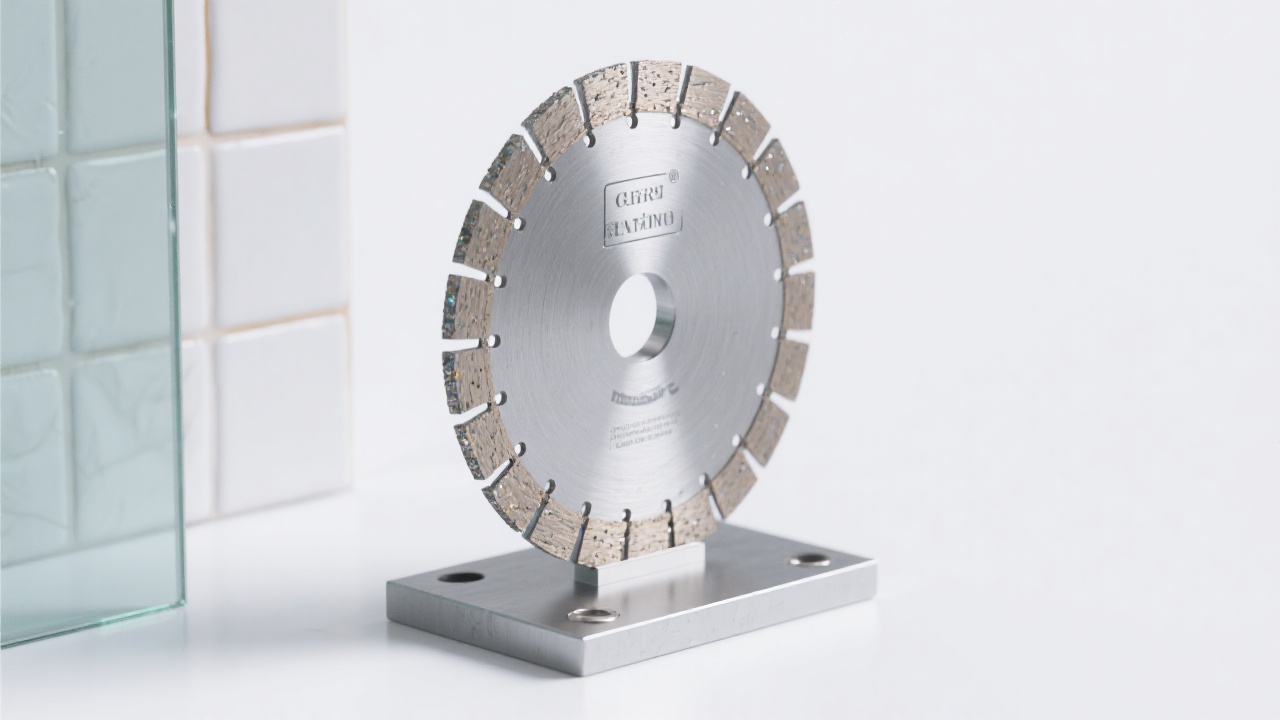
During the grinding process, several challenges may arise, such as low grinding efficiency, excessive equipment wear, and poor surface quality. To improve grinding efficiency, optimizing grinding parameters such as grinding speed, feed rate, and depth of cut is essential. For example, increasing the grinding speed within a reasonable range can significantly improve the material removal rate. To control equipment wear, regular maintenance and proper selection of grinding wheels are necessary. To optimize surface quality, using appropriate cooling and lubrication measures can reduce surface roughness and improve the overall finish of the workpiece.
Industry experts have also shared their valuable experiences. According to a well - known expert in the field, "Proper selection of grinding wheels and optimization of grinding parameters are the keys to successful precision grinding." These insights, combined with industry data, enhance the credibility of this article.
We encourage readers to leave their questions in the comment section below. Our technical experts will be happy to answer your queries and engage in in - depth discussions with you. This interactive approach aims to enhance user participation and build trust.
If you are interested in learning more about UHD's advanced grinding solutions and getting professional technical support, click here to explore our products and services. Let UHD help you optimize your production process and achieve better results.

 172
|
172
|
 Brazed diamond grinding tools
Carbide processing
Grinding efficiency improvement
Diamond tool application
High - efficiency and durable abrasives
104
|
brazed diamond grinding wheel
diamond grinding tool selection
grinding wheel maintenance
superhard grinding tools
UDE diamond tools
Brazed diamond grinding tools
Carbide processing
Grinding efficiency improvement
Diamond tool application
High - efficiency and durable abrasives
104
|
brazed diamond grinding wheel
diamond grinding tool selection
grinding wheel maintenance
superhard grinding tools
UDE diamond tools
 413
|
brazed diamond abrasive tools selection
carbide grinding solution
ceramic grinding disc
diamond tool parameter matching
non-metallic material machining tool
413
|
brazed diamond abrasive tools selection
carbide grinding solution
ceramic grinding disc
diamond tool parameter matching
non-metallic material machining tool
 420
|
digital transformation in Asia
B2B export strategies
emerging market tech trends
digital marketing for manufacturers
product innovation in manufacturing
393
|
brazed diamond grinding tools
high-intensity grinding
wear-resistant abrasives
grinding tool selection
industrial material processing
420
|
digital transformation in Asia
B2B export strategies
emerging market tech trends
digital marketing for manufacturers
product innovation in manufacturing
393
|
brazed diamond grinding tools
high-intensity grinding
wear-resistant abrasives
grinding tool selection
industrial material processing







.png?x-oss-process=image/resize,m_fill,h_300,w_300/format,webp)

.png?x-oss-process=image/resize,m_fill,h_300,w_300/format,webp)