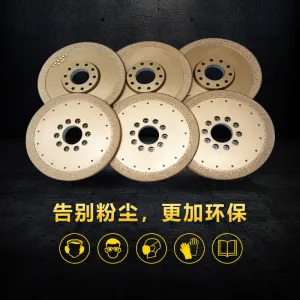
For industrial purchasers worldwide, the ultrahard material tools industry is no longer defined by basic product availability alone. B2B buyers now consistently prioritize two core dimensions: high-performance operational reliability that supports continuous heavy-duty processing, and customized hard material solutions that align with unique manufacturing workflows. These dual demands are reshaping production standards, supply chain arrangements, and service models across the entire sector.
UHD Ultrahard Tools, a leading high-tech enterprise specialized in the R&D, production and sales of ultrahard material tools, has observed this market transition through long-term engagement with global industrial clients, cross-border B2B platforms and in-depth technical cooperation with academic research institutions. The industry is moving away from one-size-fits-all generic tools and toward application-specific products that deliver measurable improvements in processing efficiency, tool lifespan and total cost of ownership.
Modern industrial processing environments, including metal fabrication, stone processing and stainless steel finishing, impose strict requirements on tool durability, grinding efficiency and consistent output quality. Advanced manufacturing processes such as high-precision vacuum brazing technology are no longer premium features but standard requirements for qualified suppliers. Products that combine robust machined substrates with precisely bonded abrasive grains can maintain stable performance even under long continuous operation, effectively reducing unplanned downtime for end users.
General-purpose tools rarely match the exact parameters of different industrial processes. Leading ultrahard material tool manufacturers now provide targeted customized hard material solutions based on specific application scenarios, processing materials, equipment models and expected efficiency indicators. This trend allows B2B purchasers to avoid unnecessary performance waste and ensure every tool precisely fits their production line requirements, rather than adapting their processes to fit off-the-shelf products.
Global industrial buyers increasingly value stable delivery cycles, complete international certification documentation, accessible technical support and responsive after-sales service. Suppliers with mature B2B international service systems can bridge geographical and communication gaps, ensuring that overseas purchasers receive consistent product quality, clear order tracking, and timely problem resolution even for long-distance transactions.
As a typical example that reflects current industry development trends, UHD’s 180mm high-wear-resistance brazed diamond grinding disc delivers exactly the performance and scenario-adapted design that modern B2B industrial markets demand. This product is engineered specifically for stainless steel processing applications, fully aligning with the dual requirements of high performance and targeted customization.
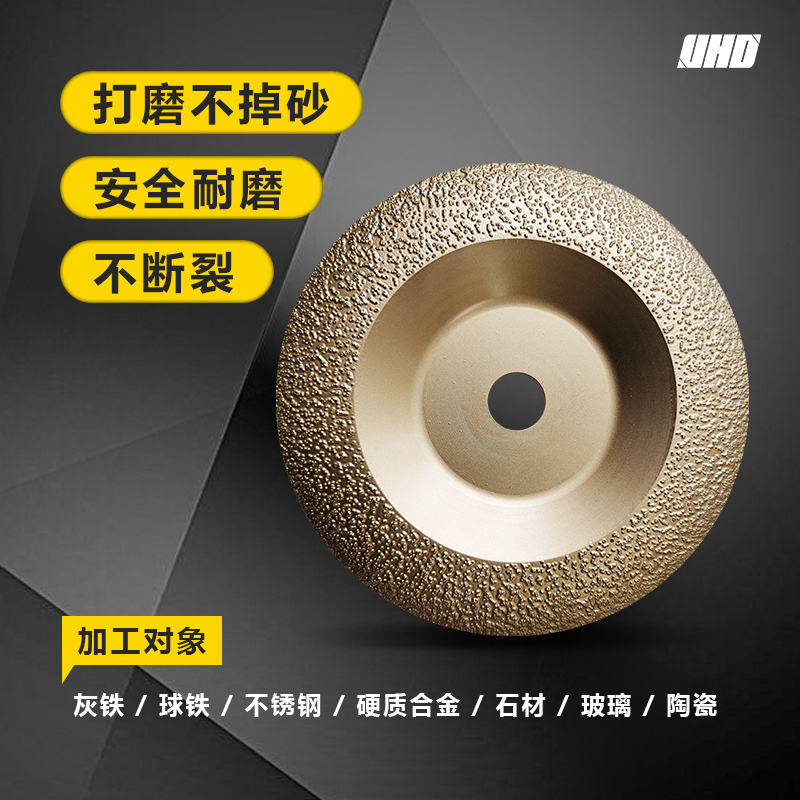
This type of scenario-focused ultrahard tool is suitable for both small-scale processing workshops and large industrial manufacturing facilities, demonstrating how suppliers can translate industry trends into tangible value for diverse B2B customers.
When sourcing high-performance ultrahard tools in today’s market, industrial buyers are advised to evaluate suppliers beyond basic price comparisons. Key assessment factors include the manufacturer’s technical R&D capability, track record of application-specific product development, international certification status, global B2B service support system and ability to maintain consistent quality across batches.
UHD Ultrahard Tools continues to align its R&D, production and service system with the evolving dual demands of the ultrahard material tools industry, combining long-term technical cooperation with academic institutions and rich global B2B operation experience. The company supports global industrial buyers to access stable, high-quality ultrahard material tool products and customized hard material solutions that match their real production needs, adapting together with the ongoing changes in the sector.

 39
|
 UHD Ultrahard Tools Co., Ltd brazed diamond grinding disc bonded diamond grinding disc diamond grinding disc selection industrial grinding solution
 99
|
UHD Ultrahard Tools custom size brazed diamond grinding disc glass processing plane and curved grinding disc style grinding disc maintenance
 348
|
UHD Ultrahard Tools Co., Ltd 100mm brazed diamond grinding disc diamond grinding tool selection material adaptation for grinding high efficiency grinding abrasives
 437
|
UHD Ultrahard Tools custom size brazed diamond grinding wheel glass processing grinding wheel selection grinding wheel maintenance check flat and curved surface grinding wheel
 214
|
UHD Ultrahard Tools brazed diamond grinding disc glass processing grinding wheel selection custom size grinding wheel grinding wheel maintenance inspection